
Modèle
March 2026
A Tribute to my Iranian Heritage
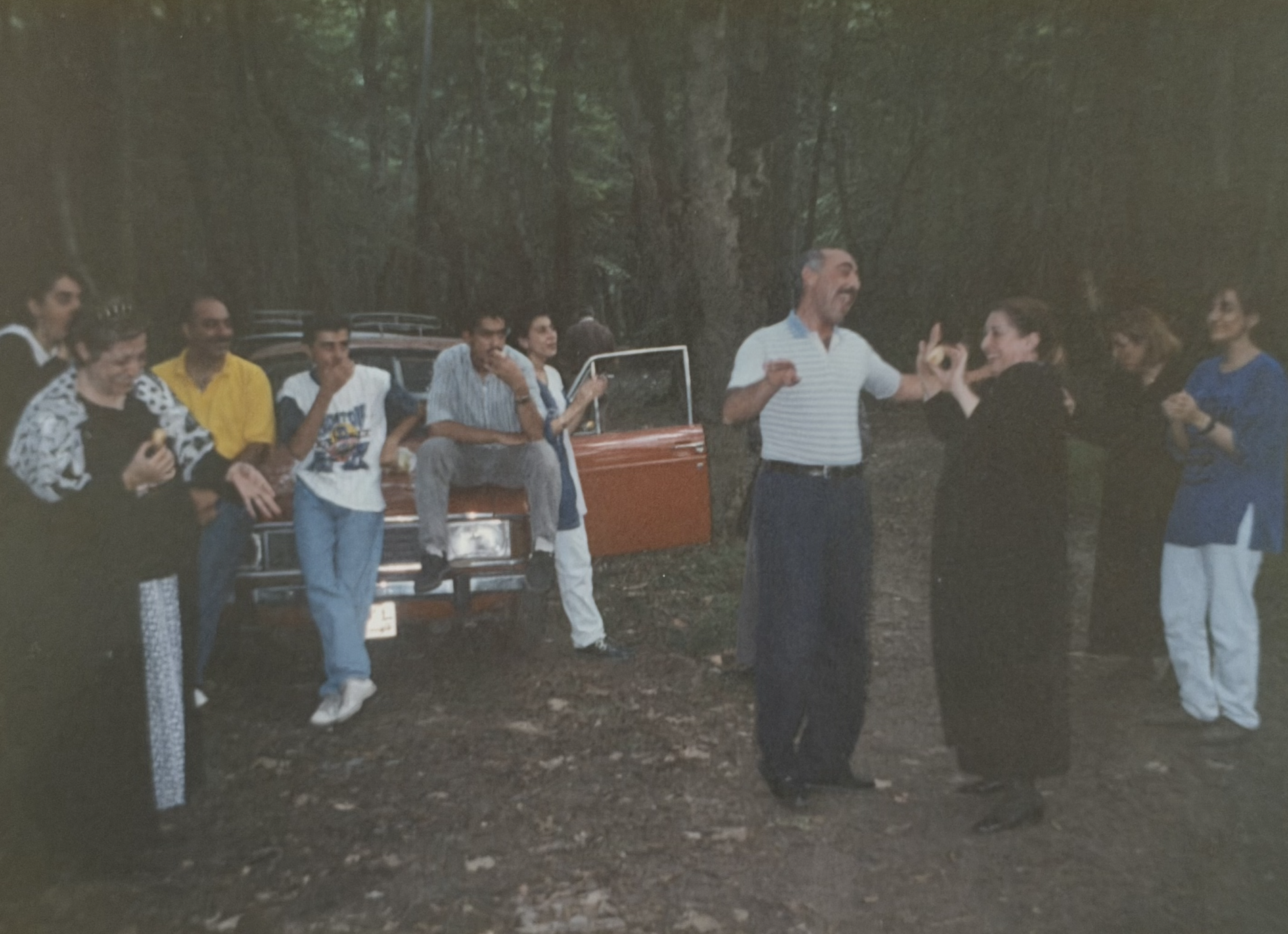
Being Iranian is, and has always been, the proudest medal I’ve ever worn. Even as a little girl, I would beam with pride and say “I’m Peeerrsian” – mostly to get a rise out of my Russian mother like the zebel (mischievous) girl that I was. Even when my parents would read me bedtime stories, I would sit and listen to Iranian ones for hours, but cried the second my mom tried to read me one in Russian. Although I was born and raised in America by parents from two completely different (yet equally beautiful) cultural backgrounds, my dad did an amazing job teaching his kids about the music, food, people, and values of his homeland. I still remember him singing me Persian lullabies before bed, showing my brother and me songs of his childhood on the drive to school, calling his family in Iran every Sunday morning so we could talk to them, teaching us to Persian dance with his amazing dance moves, taking us to the same Persian restaurant every time we visit Chicago, celebrating Nowruz (Persian New Year), and making sure we were connected with others in the community. Although his entire family remains in Iran, he did everything he could to keep his culture alive in our household. While now I feel more guilty about the neglect I gave to my Russian heritage as a little girl, I learned at a young age that Persians deeply honor their culture, and I think this pride was not only taught, but I was born with it running through my veins.
If there is one way to describe the Persian people, it’s that they are innately good. As a community, they hold themselves to a high standard of morals, which have always acted as a guidepost in my life. I grew up calling my dad’s friends “Amoo” (which means “uncle” in Farsi), because whether it was my dad’s best friend from childhood or an acquaintance he was meeting for the first time, everyone was considered family. They are selfless, kindhearted, compassionate, hospitable, and quite literally will give you the shirt off your back if it means giving you a better life.
My grandmother is a great example of this: she was a strong, single mother who spent her whole life supporting my dad and his brother. Even after my dad immigrated to the U.S. during the Iranian Revolution in 1979, she would send her hard-earned money to ensure he wasn’t struggling to pay for his bills and his focus remained on building a better life for himself. My dad mirrored the same selflessness in my upbringing. He has always made sure his children’s needs are met, and I recognize what a privilege it is to say that he never let us struggle. They value education above all else, and I was only ever allowed to have a part-time job in high school or college if it didn’t interfere with my schooling. To Iranians, children fending for themselves the second they turn 18 is completely unheard of, and I plan to do everything I can to honor those same values and support with my own kids one day.
The biggest void I feel in my Iranian upbringing is that I’ve never had the chance to visit the country I grew up feeling so connected to in my heart. It’s such a strange feeling, to feel homesick over a place you’ve never even been to. My family went in 2001 when my mom was pregnant with me, but since then the situation with the regime and my dad’s concern for my brother’s and my safety has always stopped us from returning. Regardless, I’ve always had this knowing that I would make it there one day, however, today that knowing feels more out of reach than ever.
My heart aches for the innocent people who continue to suffer the consequences of a government’s conflict – people with the same values and morals that I was taught, for my family members who have nowhere to go, and for those losing their lives fighting for their freedom. These people are not their government. They are just like you; they enjoy music and dancing, laughing with friends and family, they have big dreams, and are some of the most loyal, kindhearted human beings you’ll ever meet – the only difference being that they were born in a different part of the world.
More than ever, I pray for the freedom of the Iranian people; freedom that was stripped away from them 47 years ago. I pray that I get to one day visit the same Iran that my dad grew up telling me about, and to finally embrace the family I’ve only ever met on a screen. I pray for their women to gain the same rights I do, to stop hiding underneath the coverings that are forced upon them, to be able to express themselves and love freely. But they deserve to earn that freedom with dignity, not through bombing and destruction of the land and the people. I will, and have always carried my Iranian heritage proudly. It is my birthright, given to me by my father and his ancestors, and I will spend my life continuing to live by the same morals and values that shaped the woman I am today.
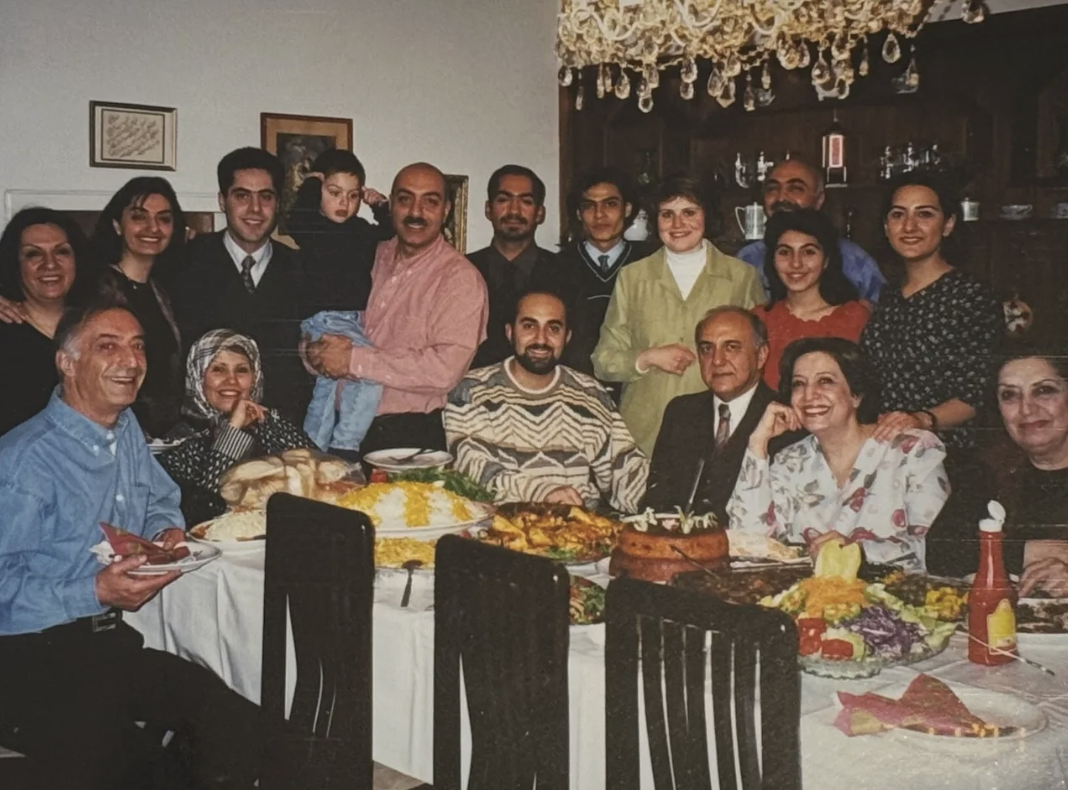
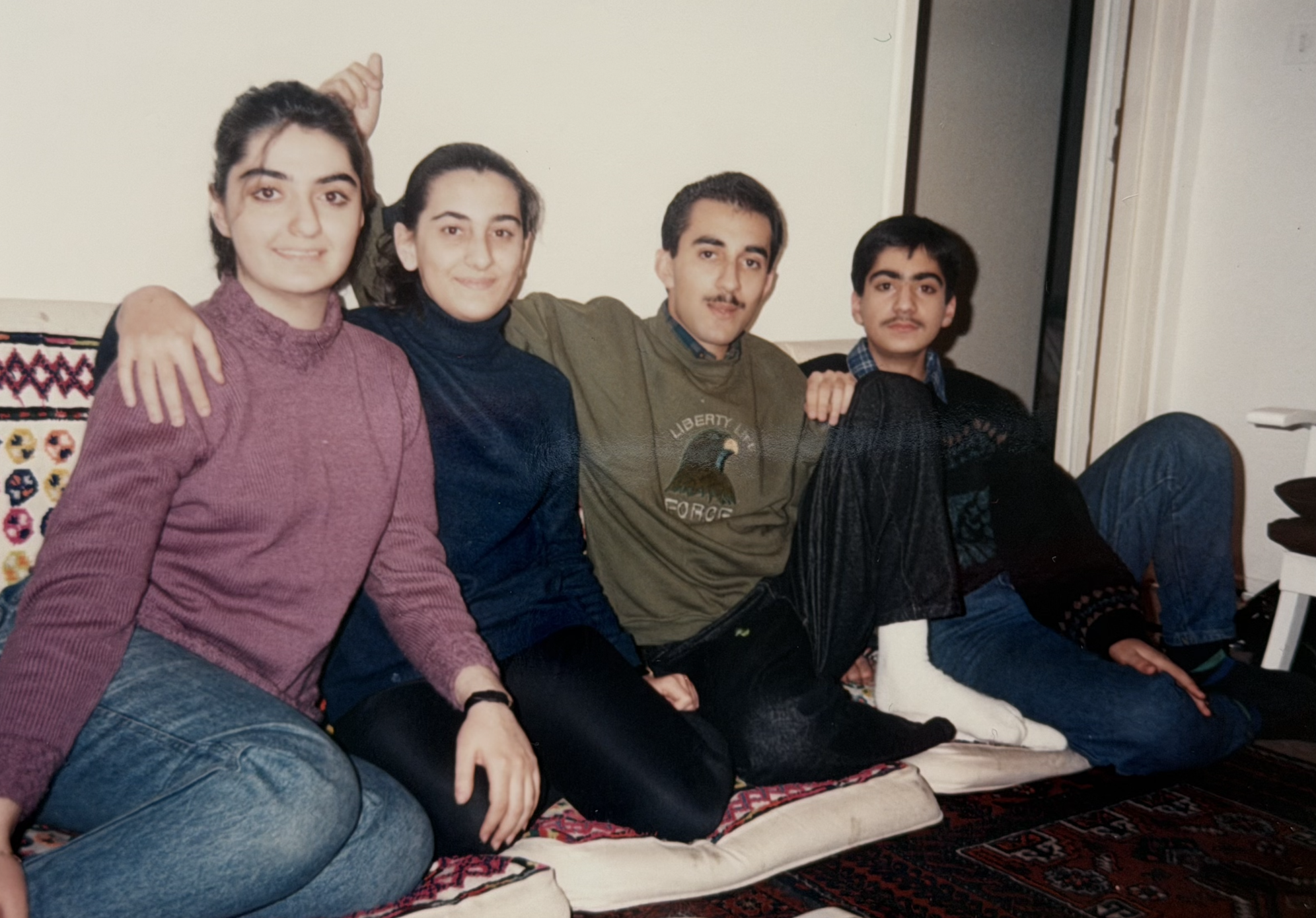
In honor of Nowruz (Persian New Year) on March 20th, and the beautiful celebration around spring and renewal, I thought this would be the perfect opportunity to dedicate an issue to my heritage and my father’s homeland. During the ideation stage of putting this together, I knew I wanted to honor Iranian fashion in some way, but I wasn’t quite sure which direction to take. And then it hit me – what better way to show Iranian fashion than from the woman who inspired the name Modèle in the first place. So instead of digging for research online and finding fashion inspiration from random models, I went straight to the source: my dad’s photo albums.
In light of recent protests in Iran and the people continuing to fight for a government change, I wanted to also use this issue as an opportunity to shed more light on what life in Iran is actually like under this regime – not from news broadcasting channels, Instagram Reels, TikTok, or any other media source, but from someone who lived and experienced it firsthand. My cousin, Negar, has written a beautifully raw and humbling reflection on what growing up in Iran was like, and I’m immensely grateful to her for taking the time to share her story with you. I hope you cherish her words as well, and enjoy learning more about a culture that is so deeply rooted in family, education, traditions, resilience, and love.

the issue at a glance:
The Original Modèle
Nowruz: A Celebration of Spring and New Beginnings
Living Between Resilience and Beauty: A Reflection on Growing up in Iran
The Original Modèle
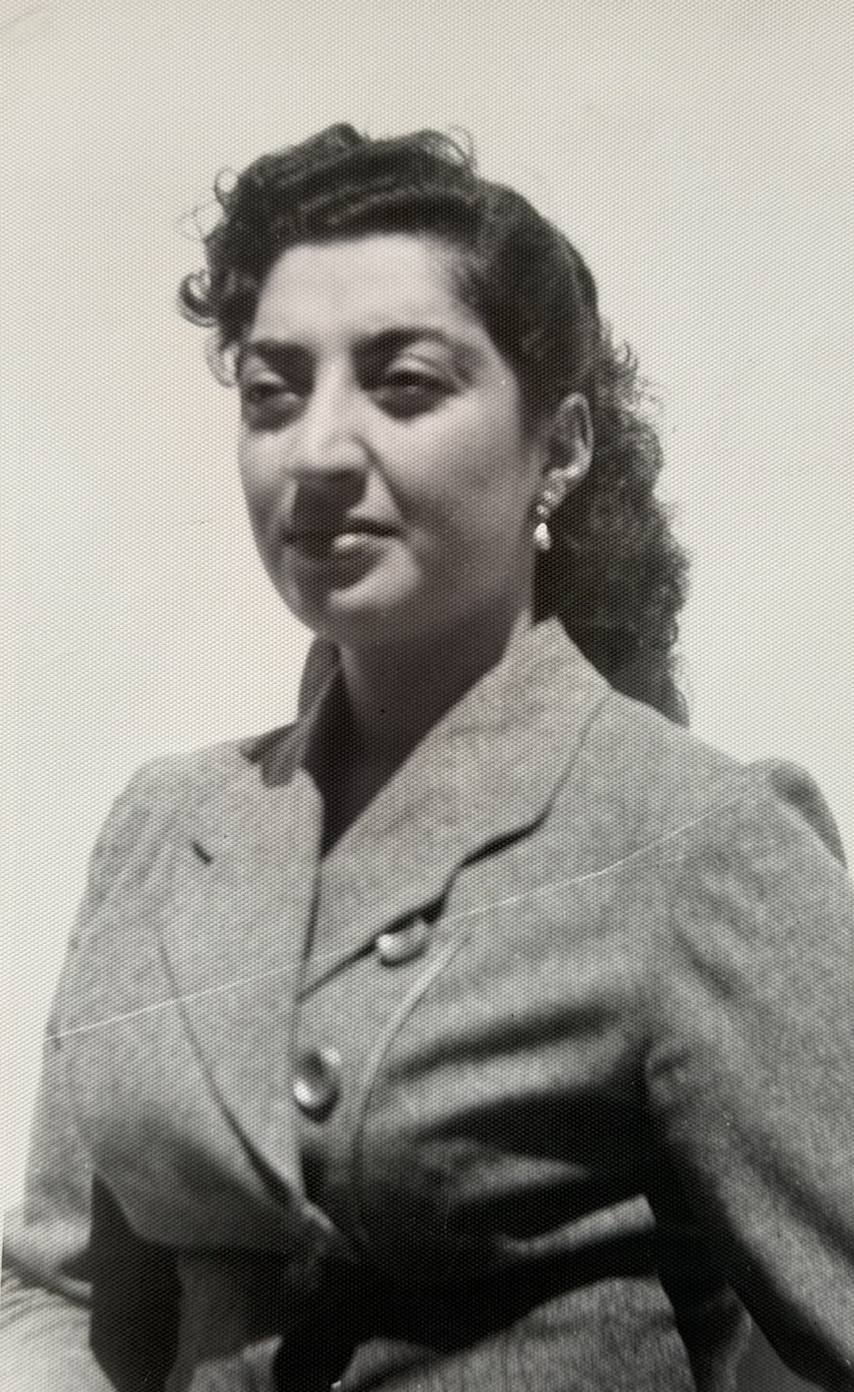
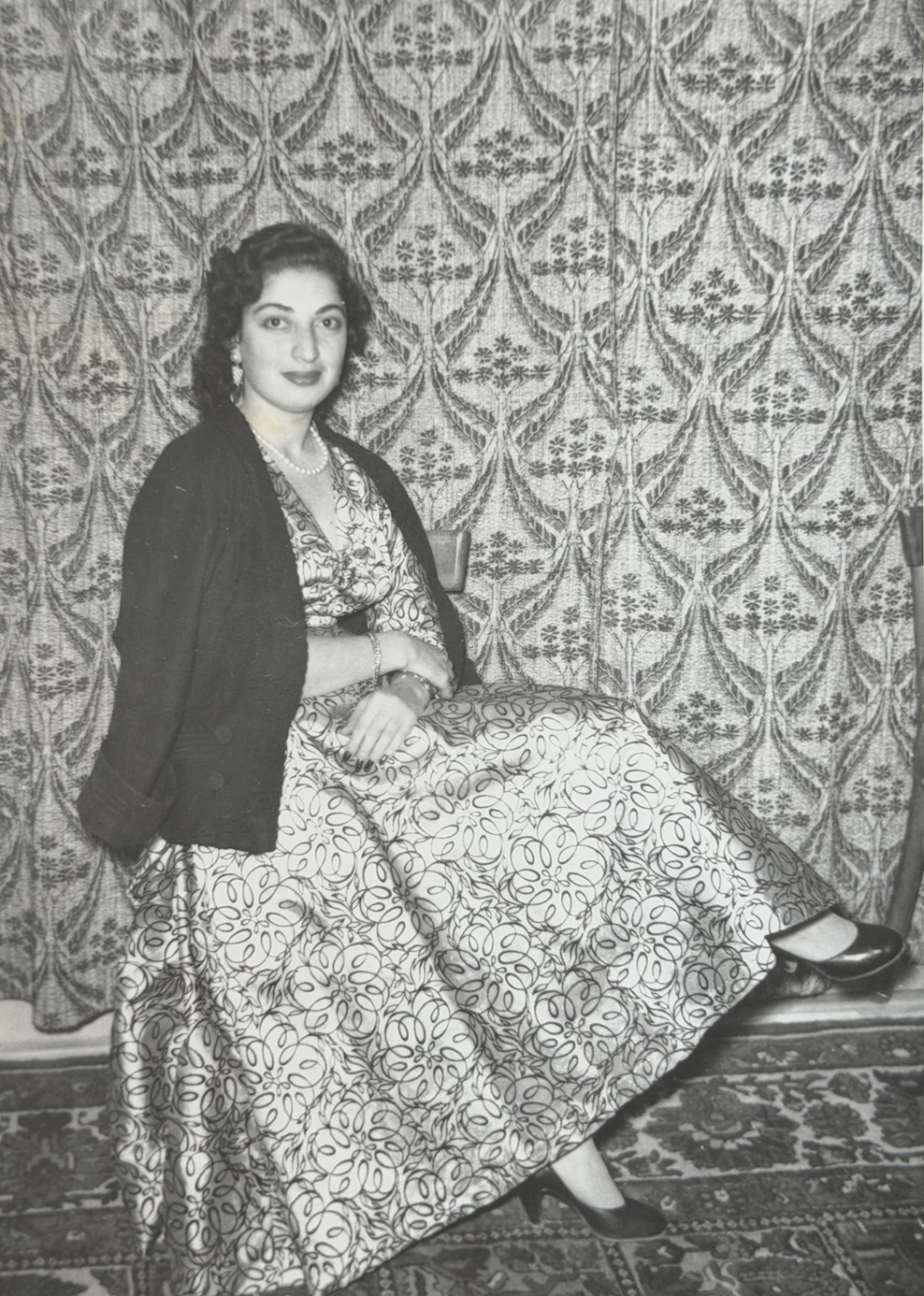
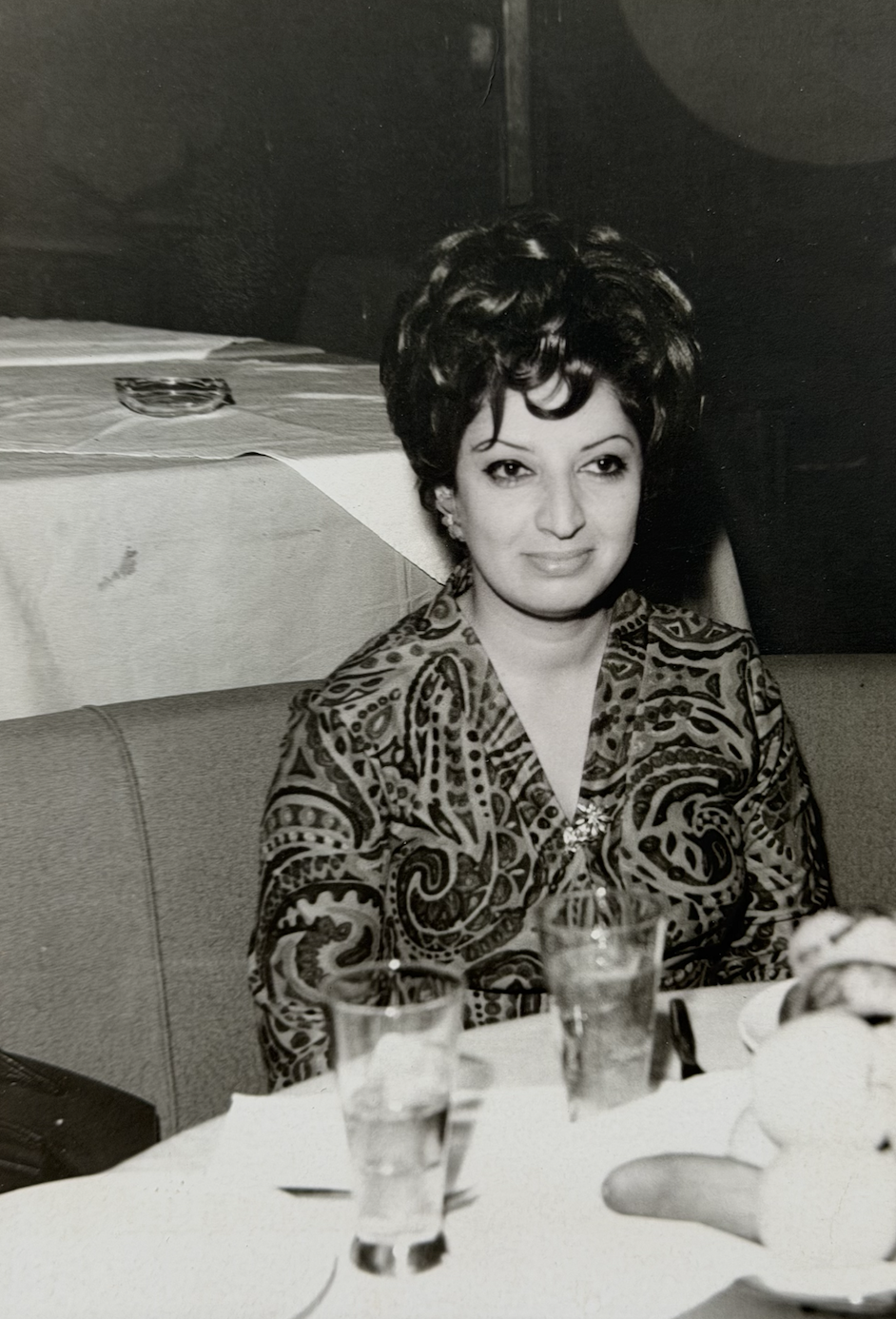

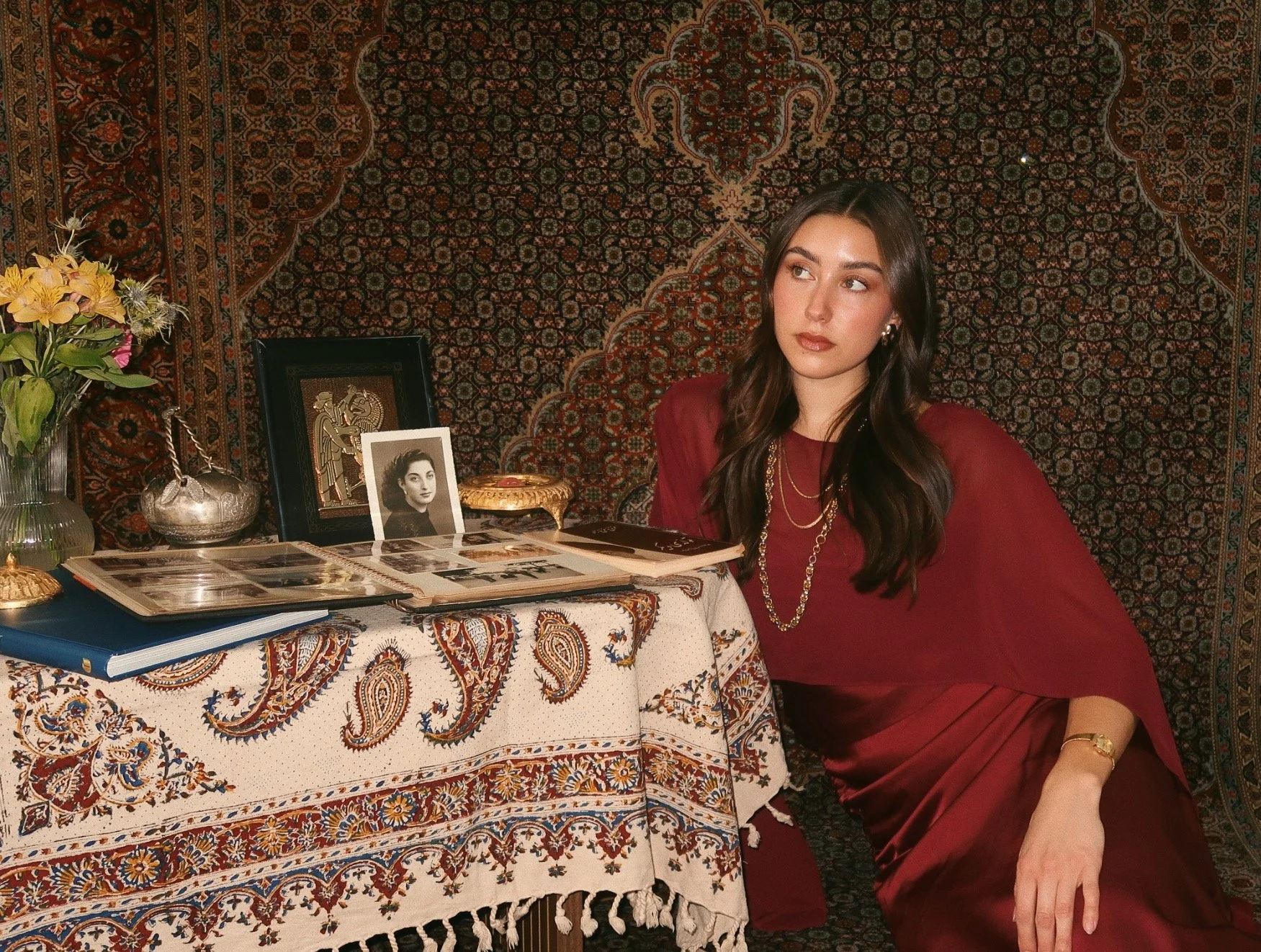
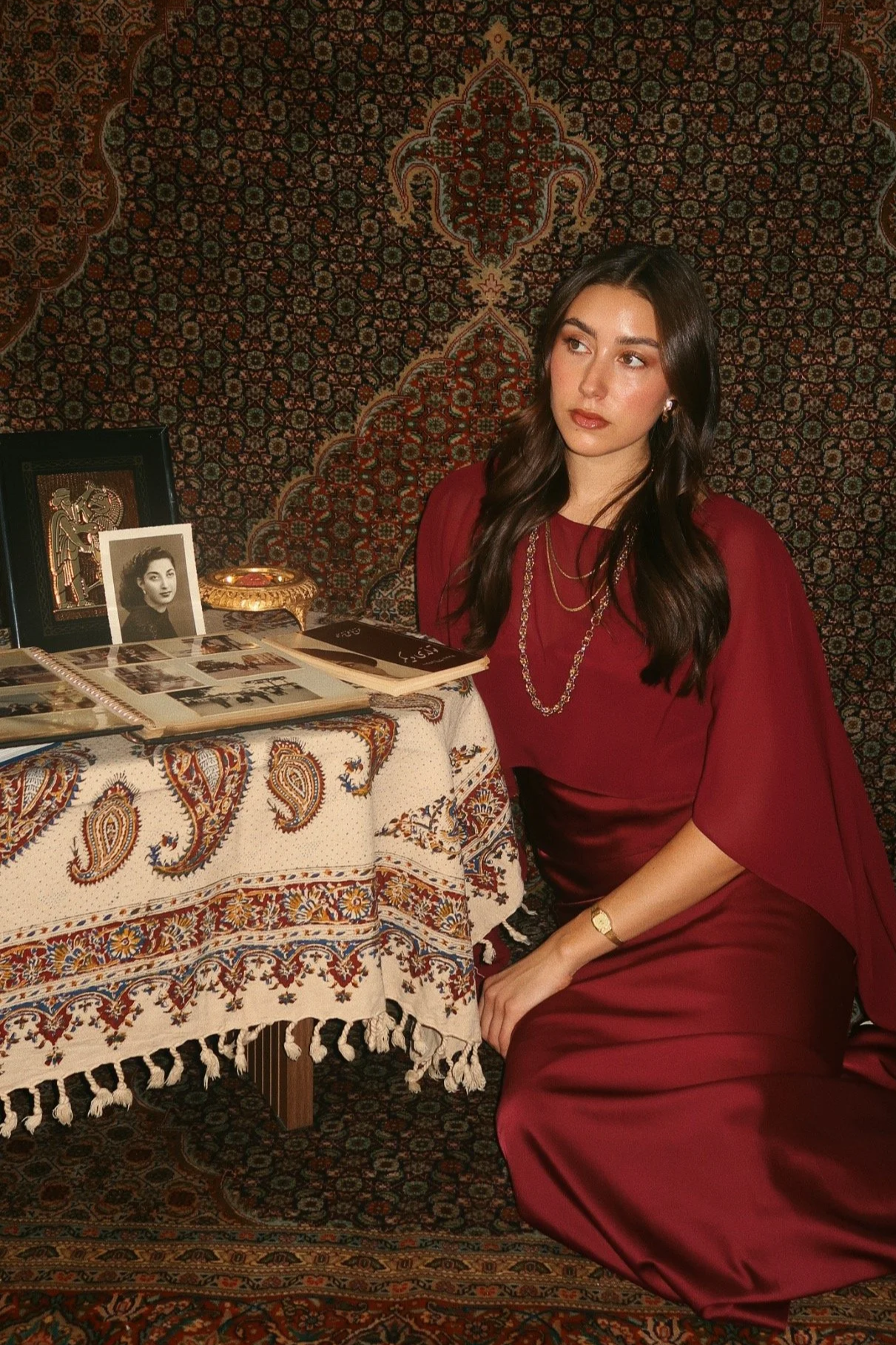
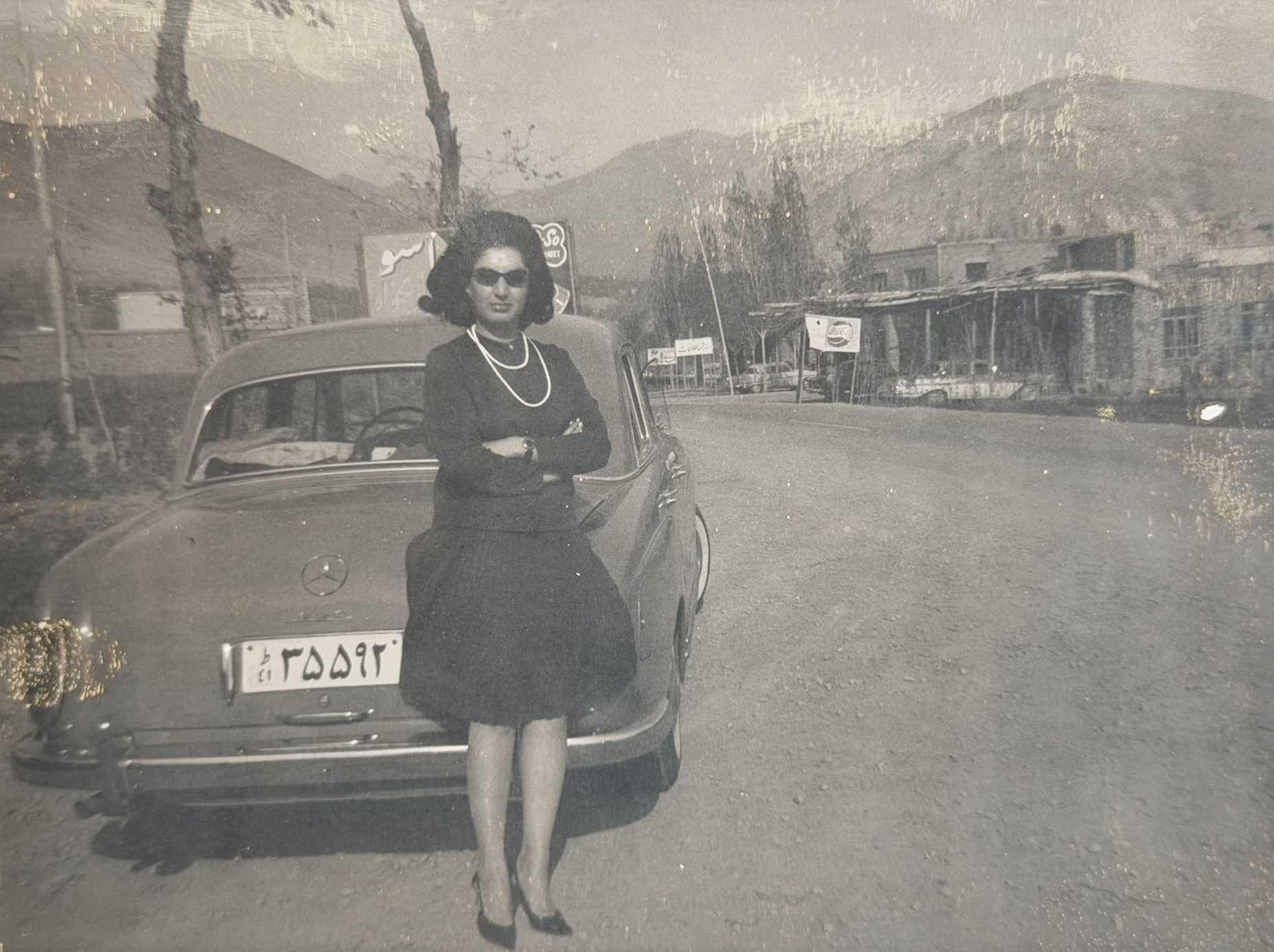
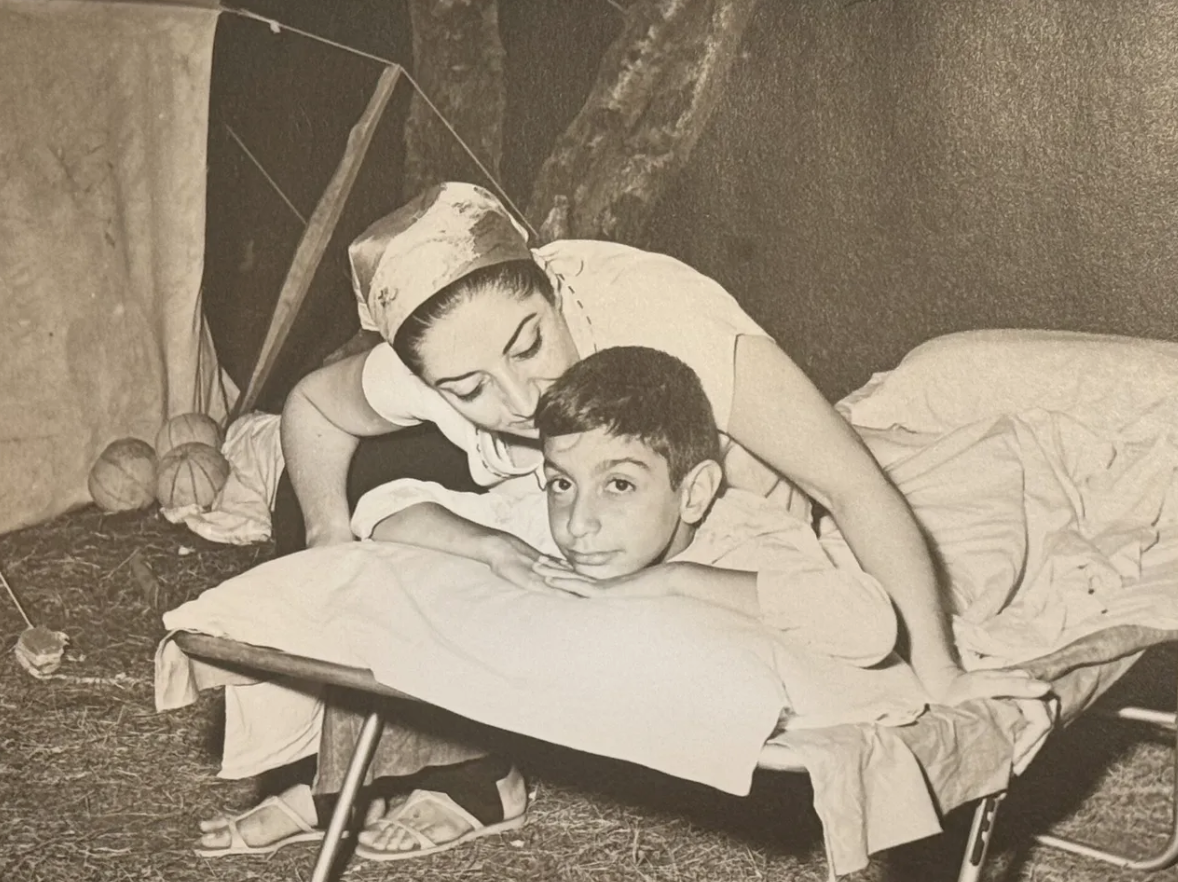
I’ve always attributed my sense of style to my grandmother, Nosrat (Fakhri) Lotfi. She was a skilled seamstress, whose outfits were always perfectly tailored, hair in an extravagant updo, and shining with her gold jewelry. The name Modèle is actually in honor of her, a word that means “stylish” or “model” in Farsi, so it’s only fitting that her style is at the forefront of this issue. As I dug into my dad’s (endless) photo albums to find outfits that I could recreate, I found it all: a trip to Europe during the 50s, family celebrations, camping by the Caspian Sea when my dad was a little boy, and all of her every-day outfits – ones that to most people would make you think she was meeting with the Shah. One of my favorite things that came out of the process of creating her looks, is that it gave me some inspiration for outfits I could wear today. Of course, I have added my own modern spin on them, but it’s just further proof that timeless, classy fashion will never go out of style.
Timeless & Tailored
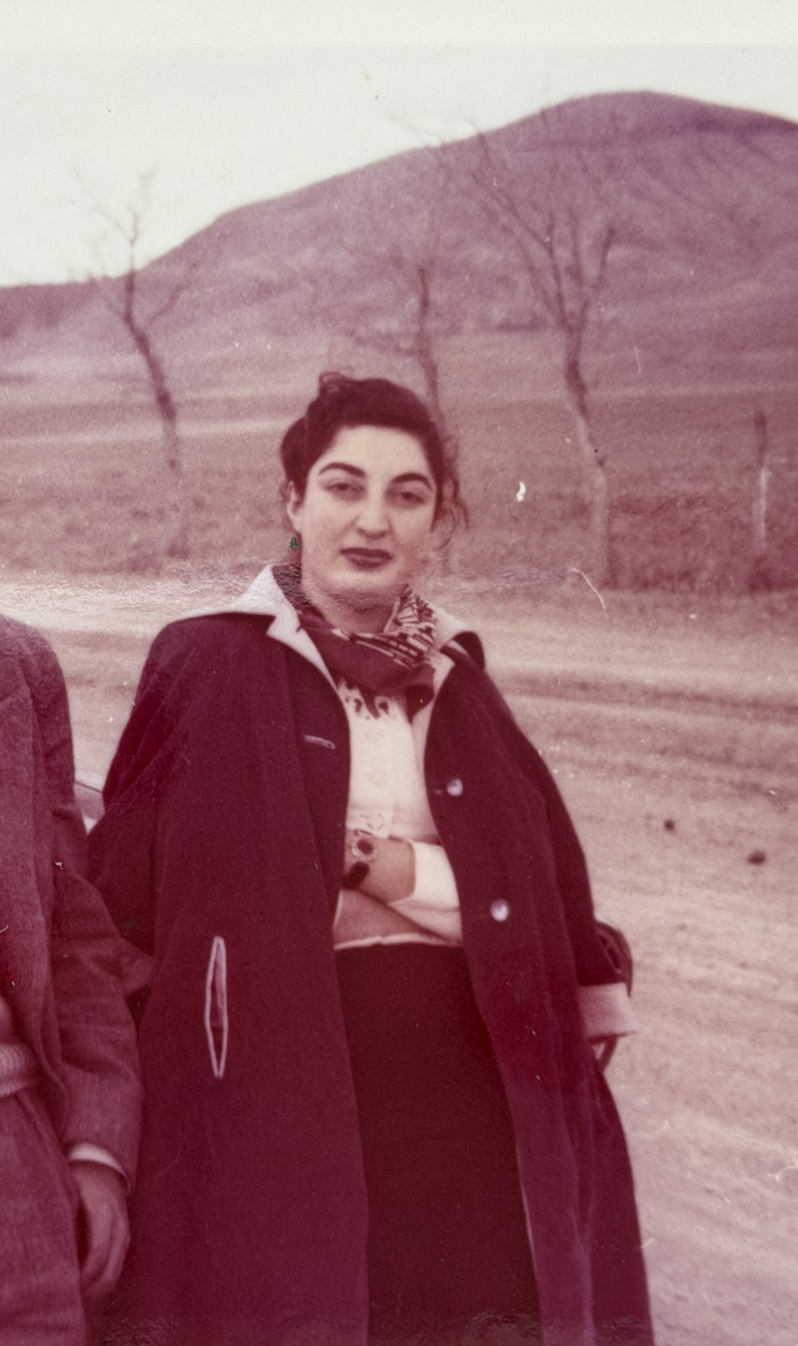
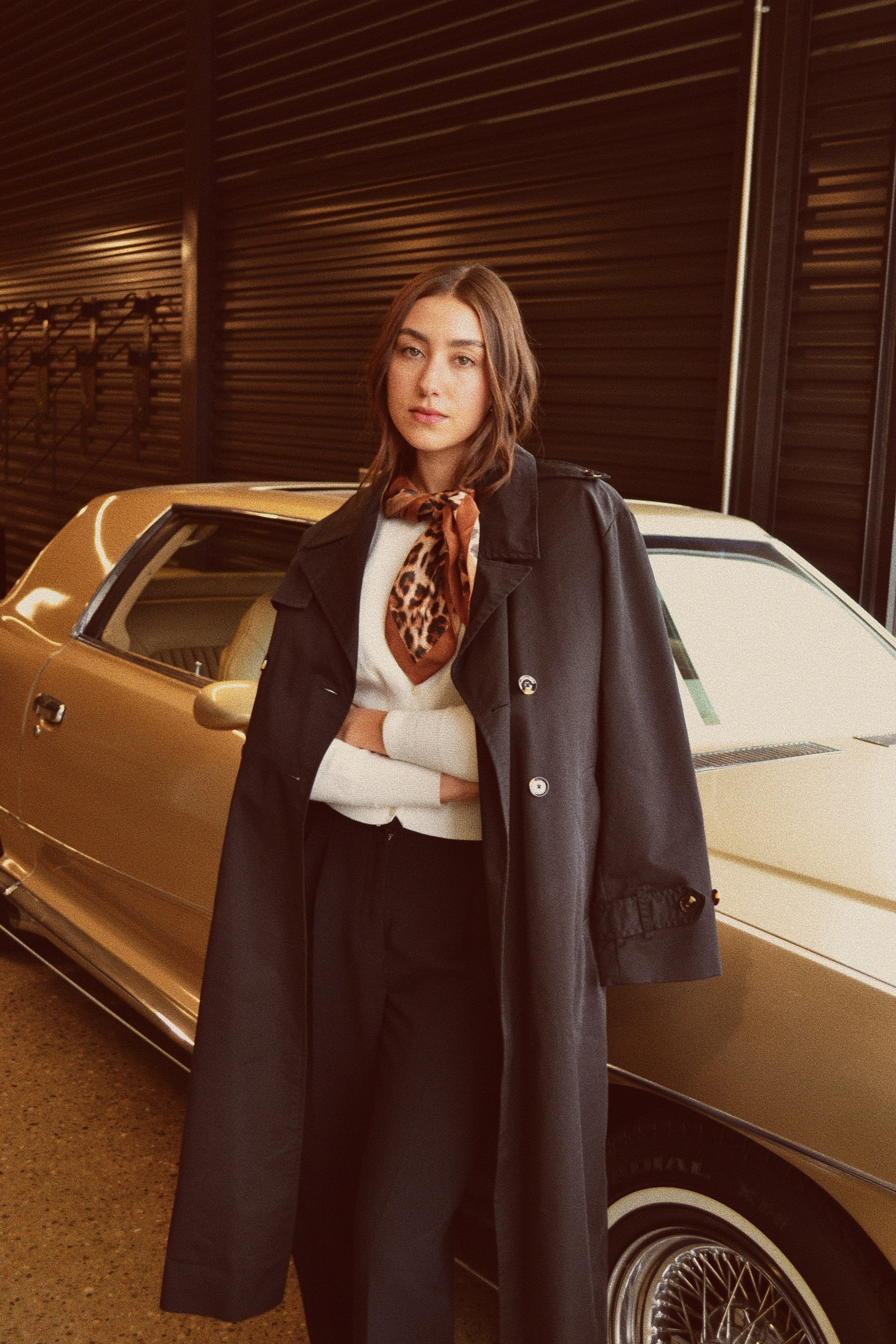
50s European Getaway
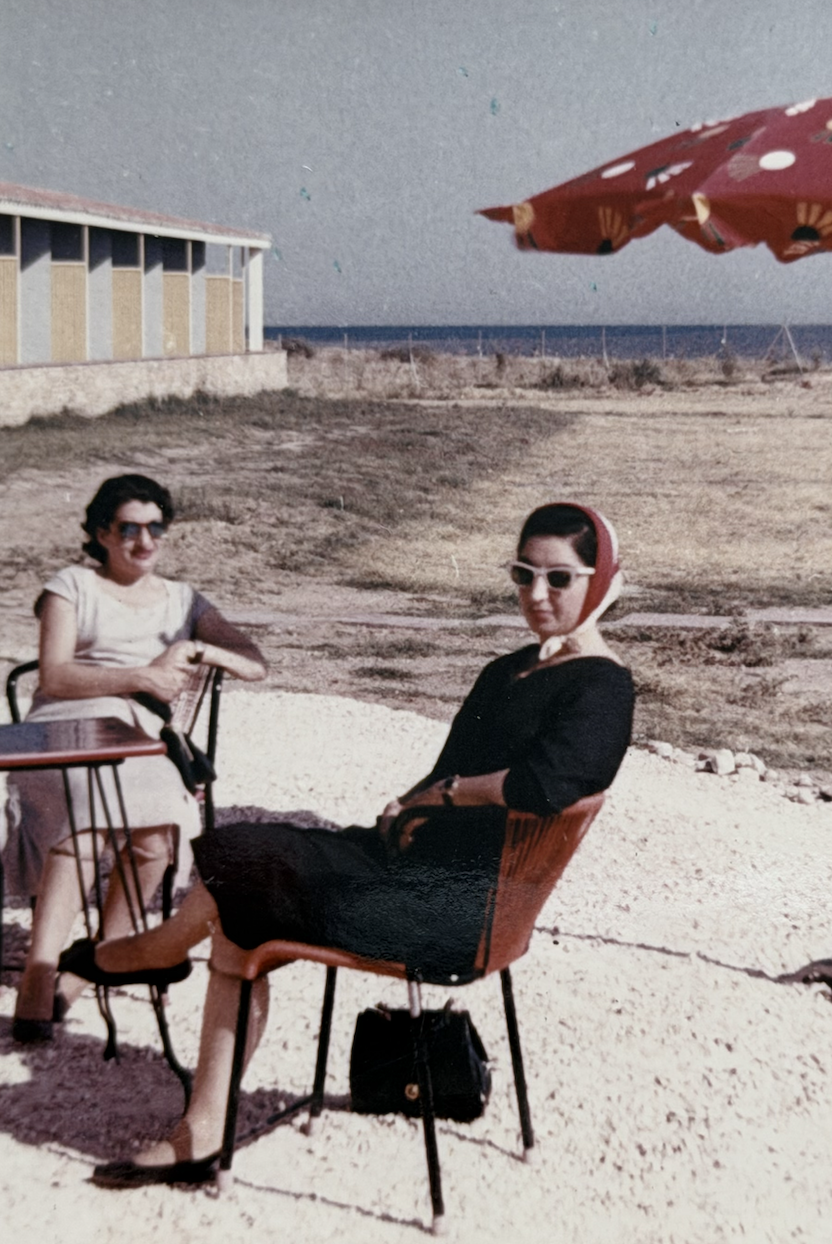
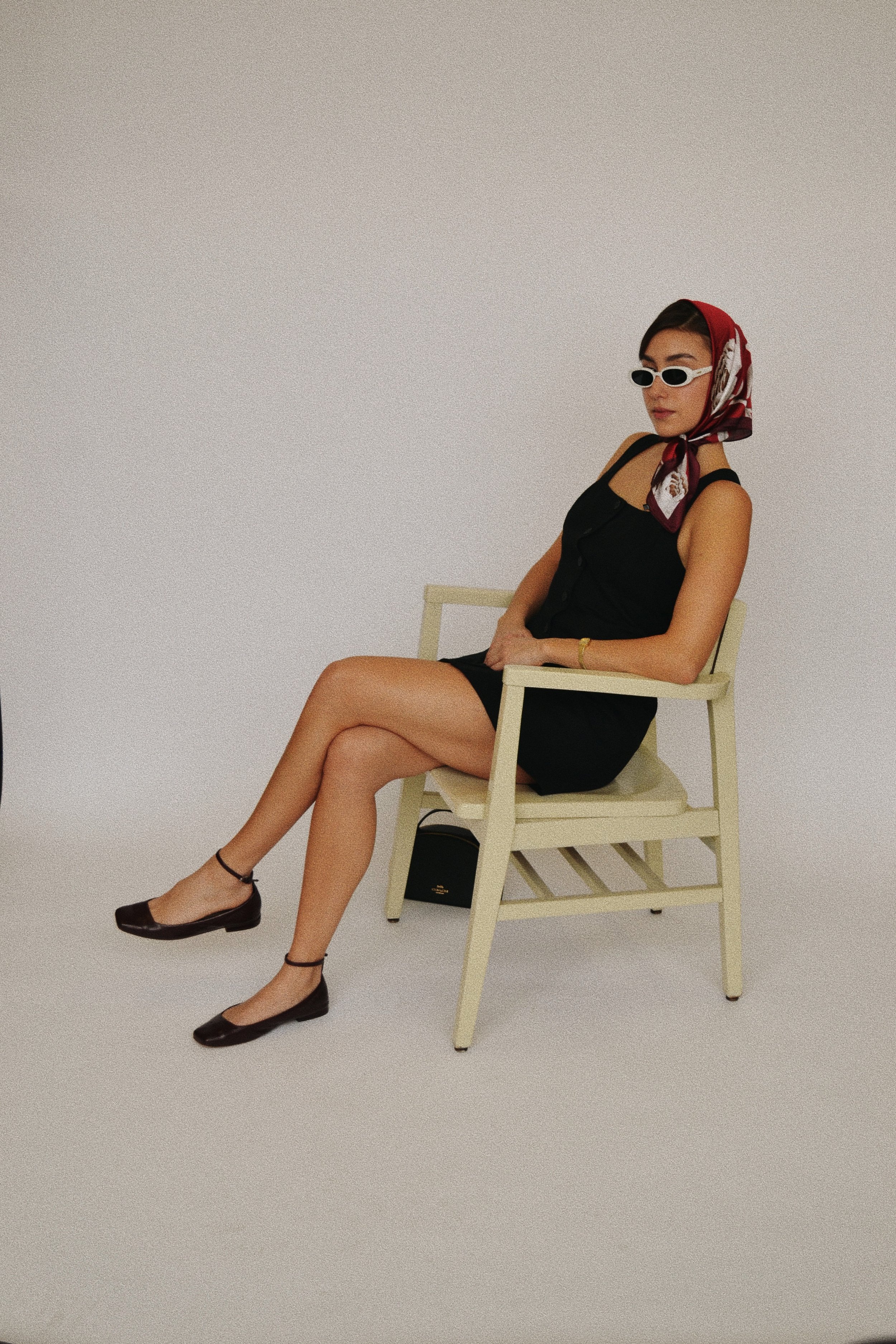
Everyday Elegance
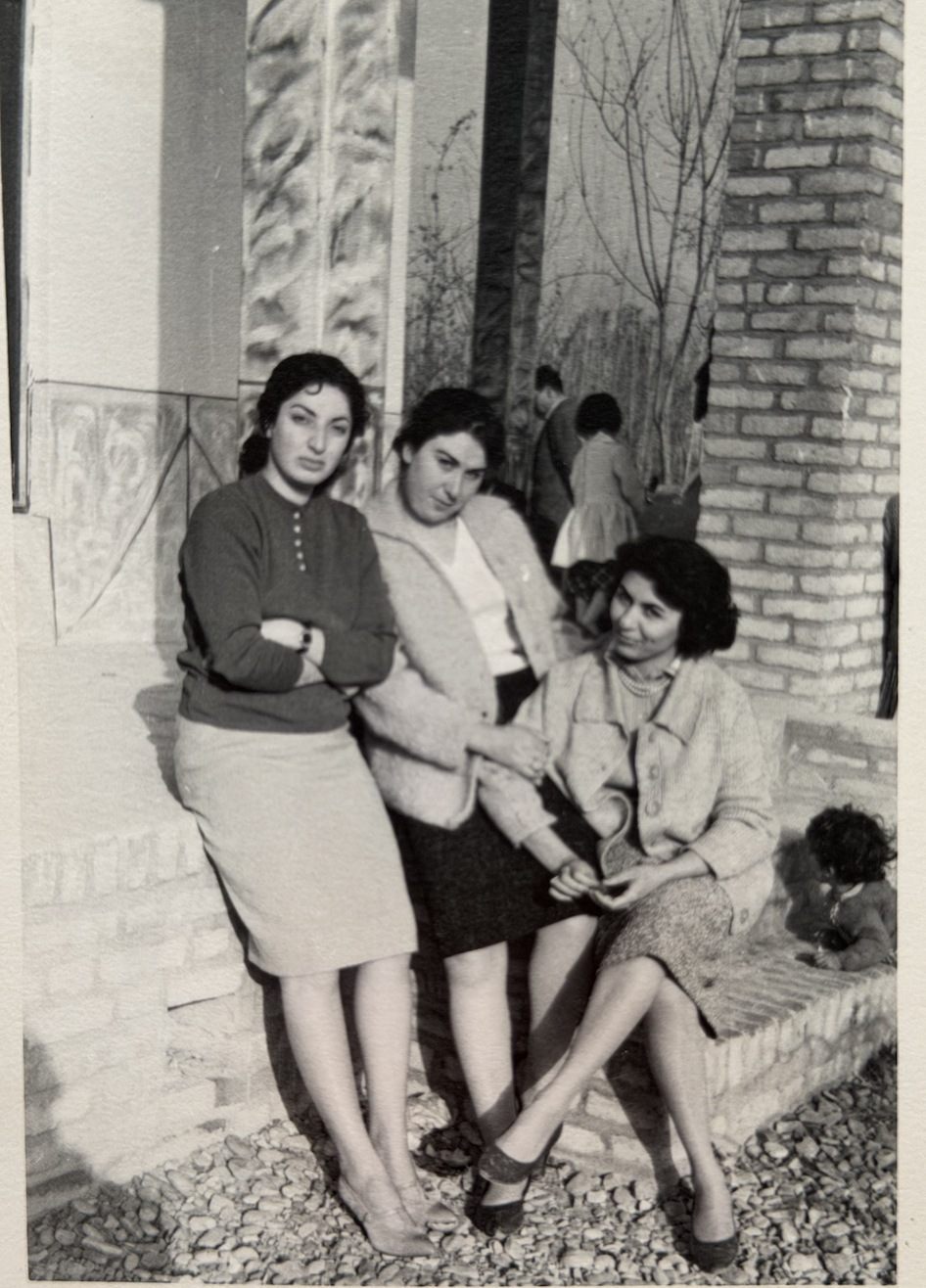
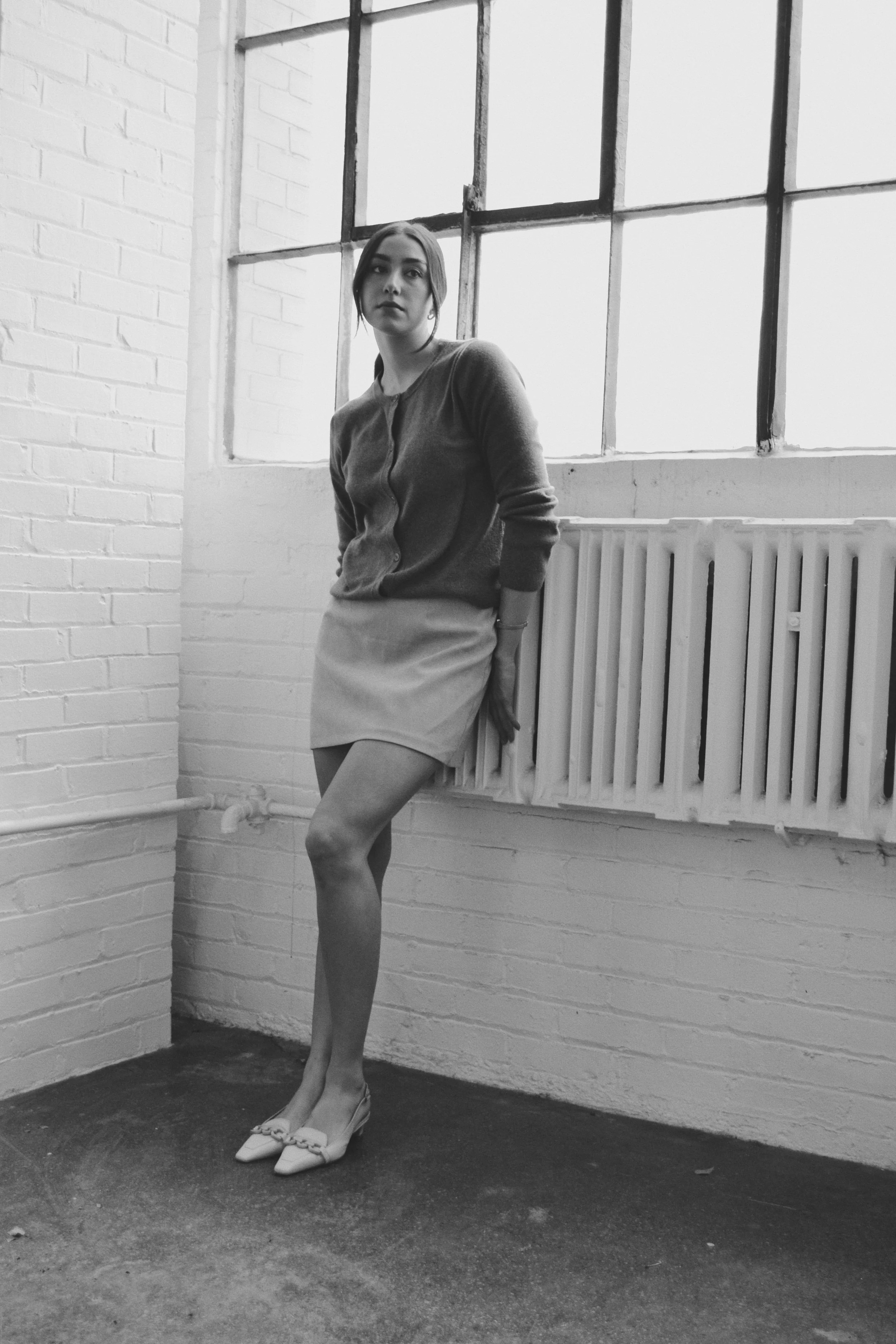
cheshmak mizaneh (چشمک میزنه)
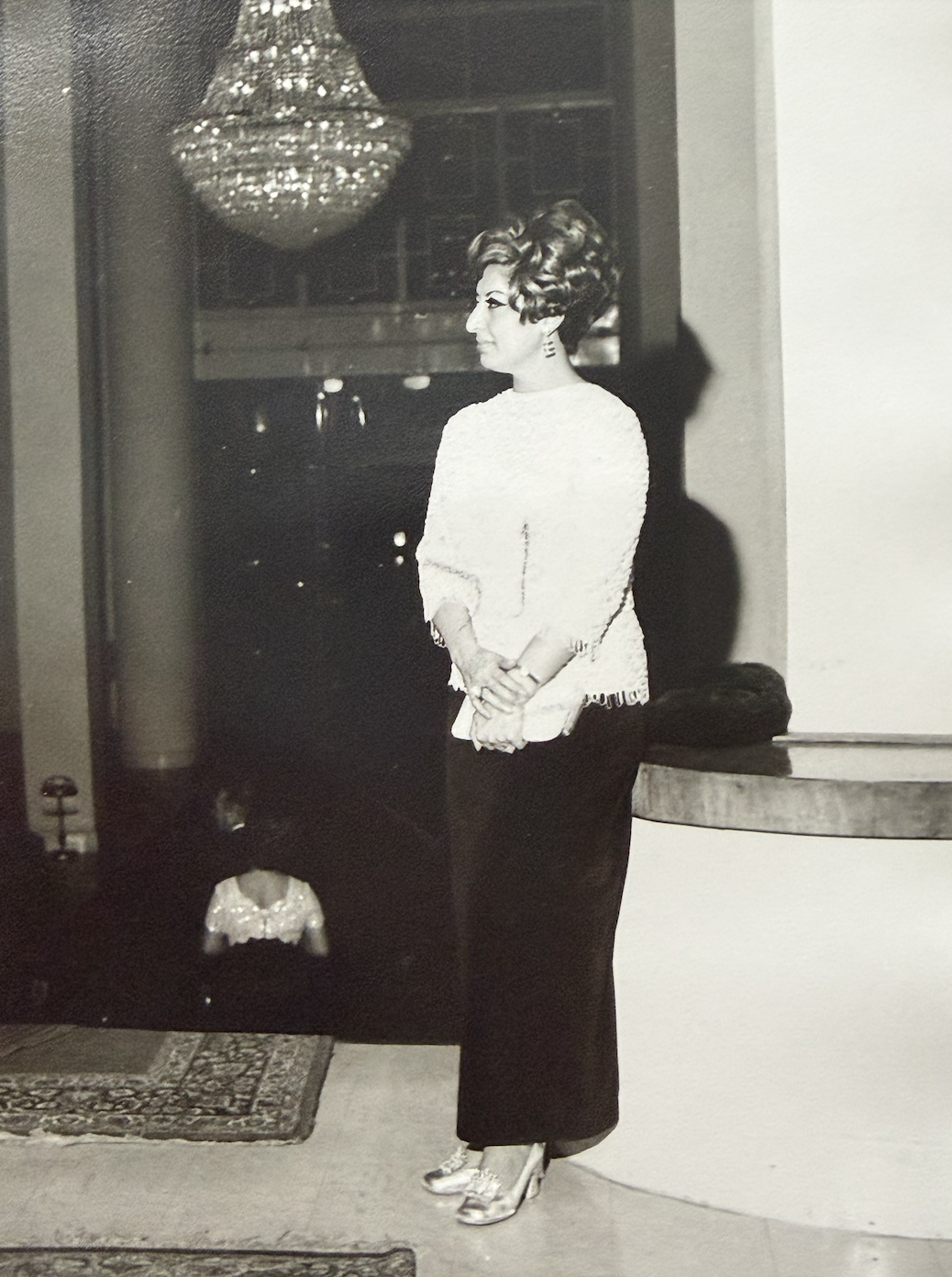
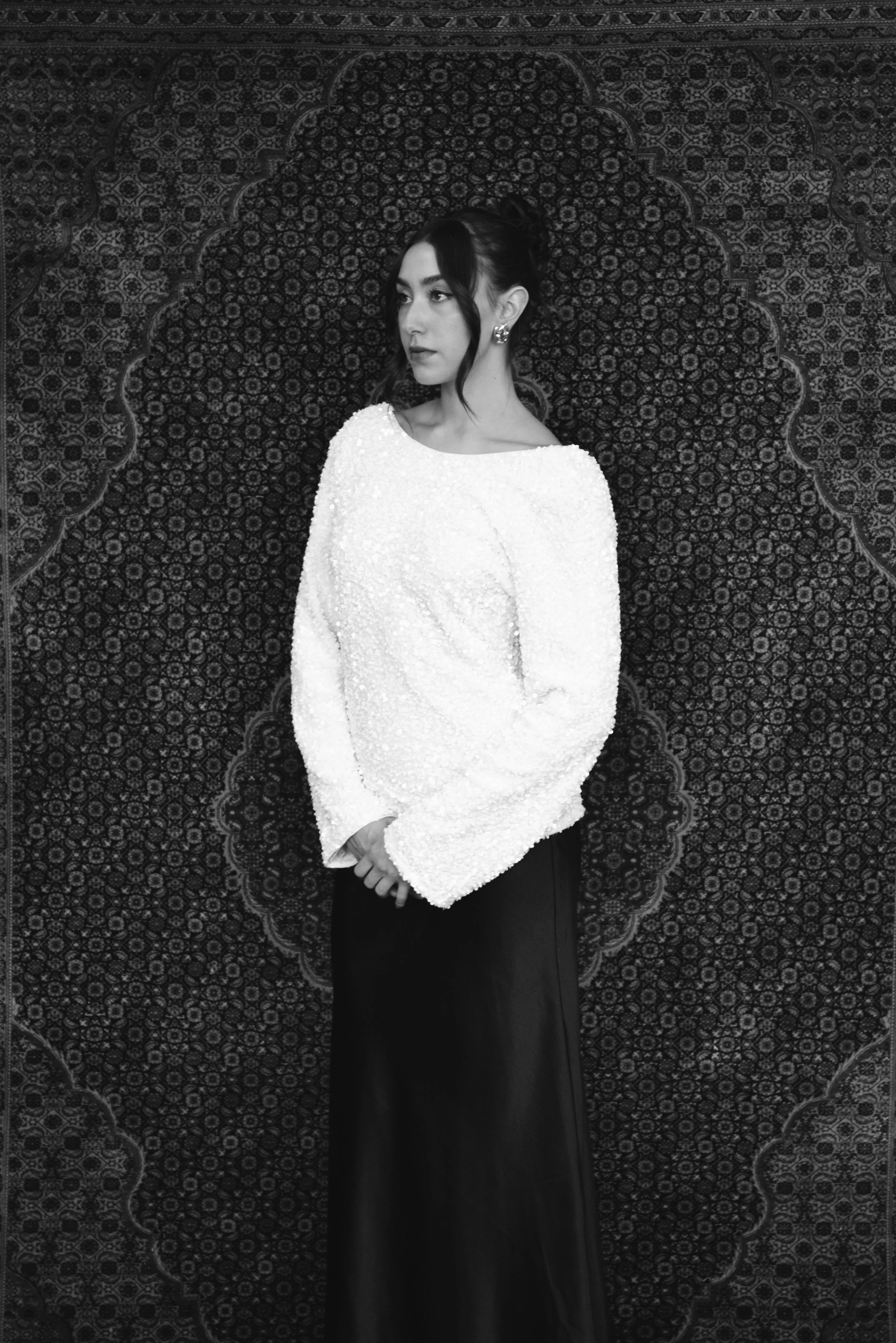
(translation: it shines): an Iranian phrase for when someone is wearing exotic, flashy clothes or jewelry
Nowruz: A Celebration of Spring and New Beginnings
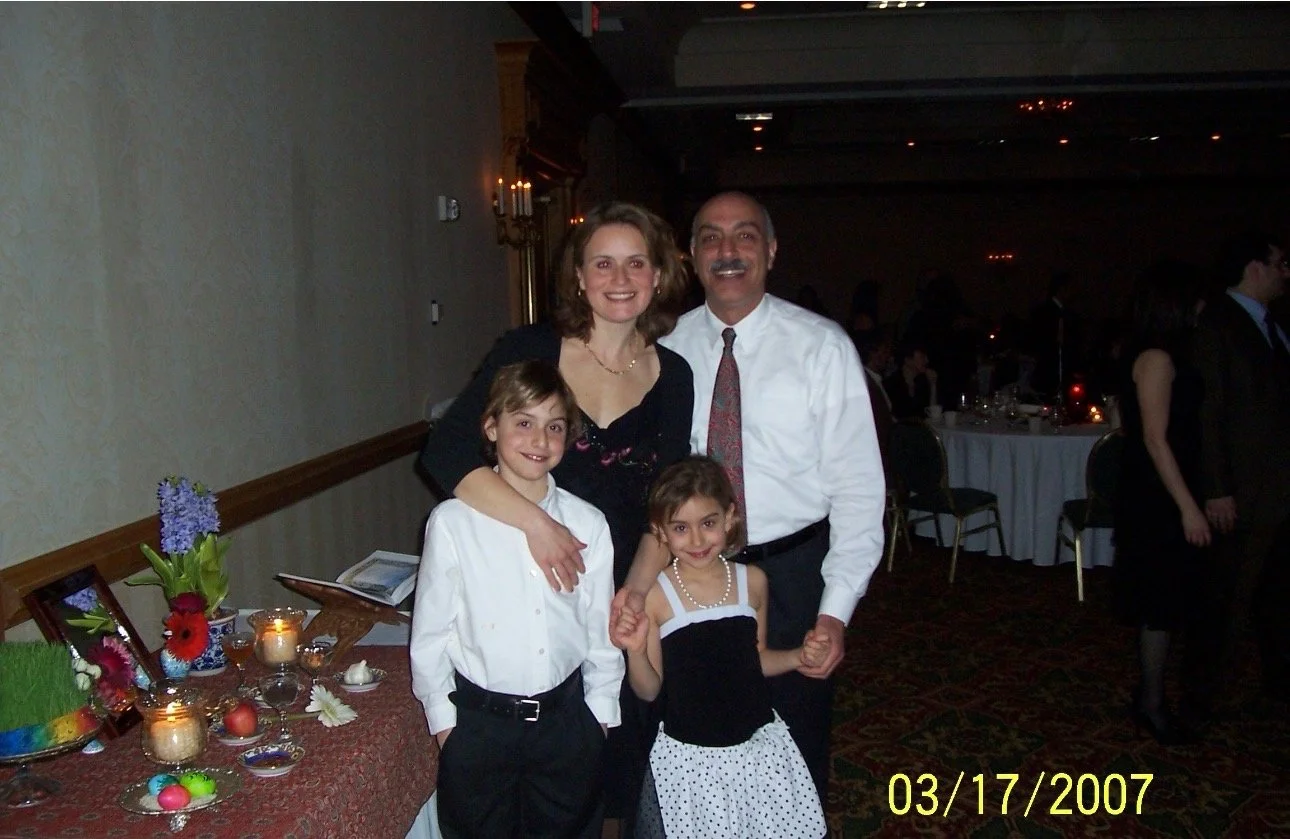
Some of my fondest memories of my childhood were the Nowruz (Persian New Year), parties that my dad would take us to growing up. I vividly remember dressing up, pulling up to a rented out hotel or event center in downtown Indianapolis, and spending the evening eating, dancing, and running around with the other Iranian kids that I got to see on occasions like these. There was never an underdressed person in sight. The men in their nicest suits, and the women in their most elegant dresses, with their hair styled to perfection, jewelry accessorized in the most tasteful way, and wearing their boldest perfume – dressed for a celebratory night, but never losing that Iranian class and sophistication. It was my MET Gala. As much as I loved an excuse to dress up and have a fun night out – something that hasn’t changed much as I’ve gotten older – I didn’t fully understand the true meaning of Nowruz until later in life, and what a beautiful celebration it is of spring and new beginnings.
Nowruz, which translates to “new day”, originated 3,000 years ago in ancient Persia in the era of Zoroastrianism, and is celebrated annually on the vernal equinox (usually around March 20), honoring the arrival of Spring and the triumph of light over darkness. According to the Shahnameh, an epic poem by Persian poet Ferdowsi, some also attribute this day to the mythical King Jamshid, who is said to have saved humanity from a disastrous winter by ascending towards the heavens on a bejeweled throne on the spring equinox, bringing warmth and light back to the world. What started in Zoroastrian religion and ancient Persian mythology, is now one of the oldest continuously observed secular holidays in Iran, and also in areas like Central Asia, the Caucasus, and the Balkans, honoring different traditions across these various cultures.
Some of the most honored traditions of Nowruz in Iranian culture include spring cleaning, fire rituals, and setting the Haft Sin table. In the weeks before the spring equinox, Iranians thoroughly clean their homes, buy new clothes, and get rid of anything that no longer serves them as a sign of renewal. They also participate in Chaharshanbe Suri (“Scarlet Wednesday”) on the sunset of the last Wednesday before Nowruz, jumping over bonfires as an act meant to purify, cleanse, and shed themselves of winter, inviting in warmth, vitality, and energy for spring. However, the most prominent tradition is setting up a Haft Sin, which literally translates to “seven ‘S’s” and is a number that has been sacred in Iran since antiquity (which coincidentally has always been my lucky number, and I was born on 07/07/2001). The table is arranged with seven dishes that each represent a different symbol of life. Each table is deeply personal to the families that arrange them, and are artfully decorated with family heirlooms, candles, flowers, or any other objects that represent a personal connection or hope for the year ahead.
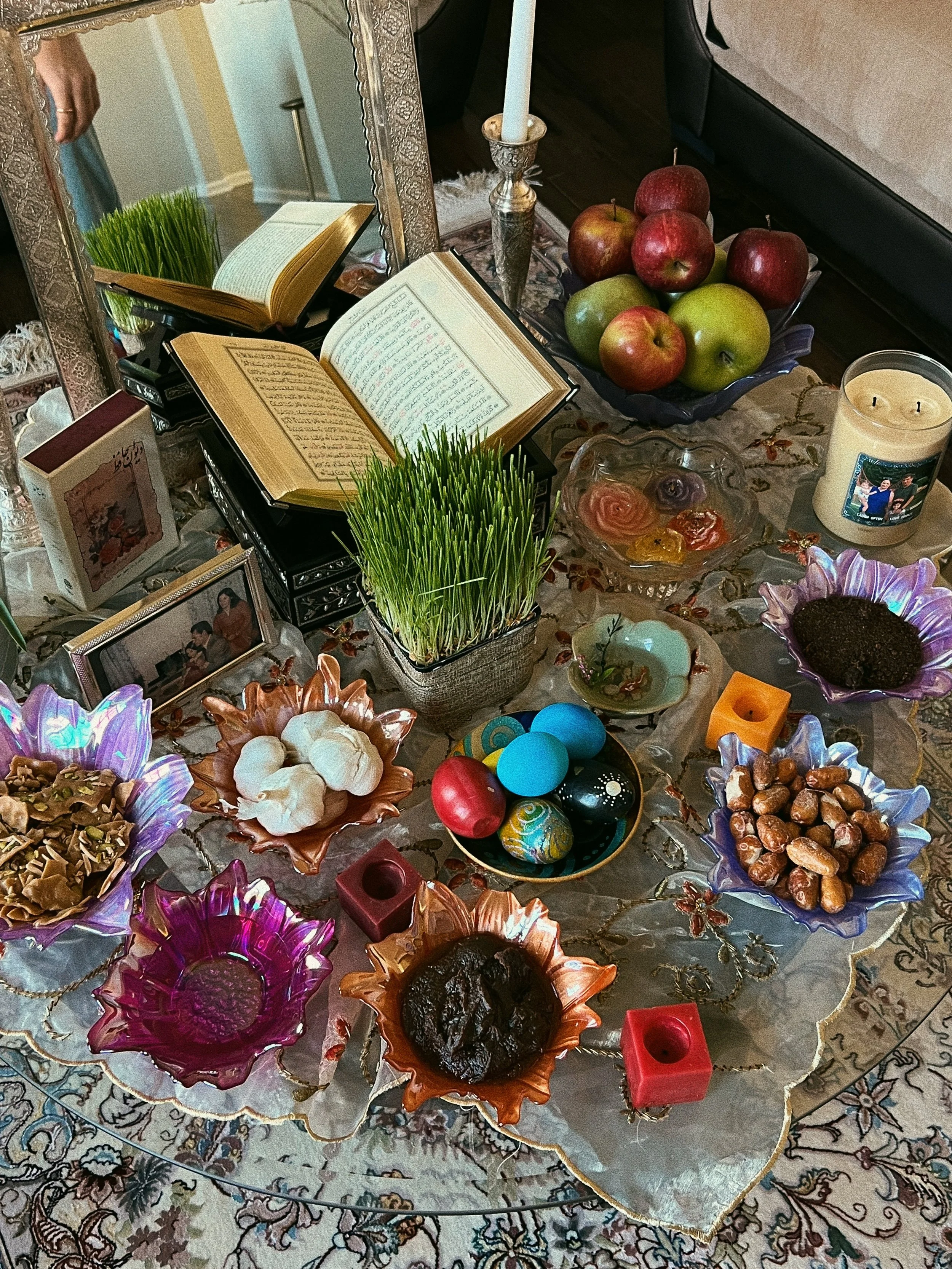
Sabzeh (sprouted grains): rebirth and renewal
Samanu (sweet pudding): affluence and fertility
Senjed (dried fruit): love
Seer (garlic): medicine and health
Seeb (apple): beauty
Somāq (sumac berries): triumph of good over evil
Serkeh (vinegar): age and wisdom
The spring equinox is the first of thirteen days that Nowruz is celebrated. The first twelve days represent the twelve zodiac signs and each month of the year, while the thirteenth days to rid of any evil spirits or bad luck associated with the number thirteen. These twelve days are made for spending time with family, exchanging visits amongst relatives and offering sweets, fruits, and drinks for their guests. Traditionally, the younger family members visit the older relatives first as a sign of paying respect, and in the remaining days the oldest members return a visit to the younger ones. On the thirteenth day, Sizdeh Bedar (Nature’s Day), everyone leaves their homes to throw their sabzeh (sprouts)from the haft sin into flowing water as a symbol of releasing evil eyes and misfortune from the household. Unmarried girls tie blades of grass together in hopes of getting married by next year. The day is spent outdoors with picnics, dancing, games, marking the end of Nowruz.
While the traditions of Nowruz that I experienced growing up didn’t go much further than the parties we attended, I think deep down the symbolism of the new beginnings and renewal has been a part of even the way I honor our New Years in America – another invisible string that is tied to my Iranian heritage. However as I’ve gotten older, I’ve become more intentional and interested in keeping my culture alive in my own home, not only through holidays, but through decor as well. This year, I have already begun preparing for my first Haft Sin and growing my sprouts, and I look forward to honoring this holiday the same way my family and ancestors have for years.
“Being Iranian, for me, has always meant living between resilience and beauty, carrying history, tradition, and hope at the same time.”
Living Between Resilience and Beauty:
A Reflection on Growing up in Iran
Written by Negar Azimpour
I was born in the year of the Iranian Revolution, into an educated family where literature and reading were deeply valued. Books were an essential part of our home, and conversations often revolved around culture, art, and education.
On weekends, my father would rent international films, and we would watch them together as a family. Each of us chose a different genre. My mother usually selected romantic movies, my brother preferred war films, and when I was younger, I chose cartoons. At the same time, my parents always reminded us never to mention at school that we had a video player or watched foreign films, as it was illegal then and could result in serious consequences.
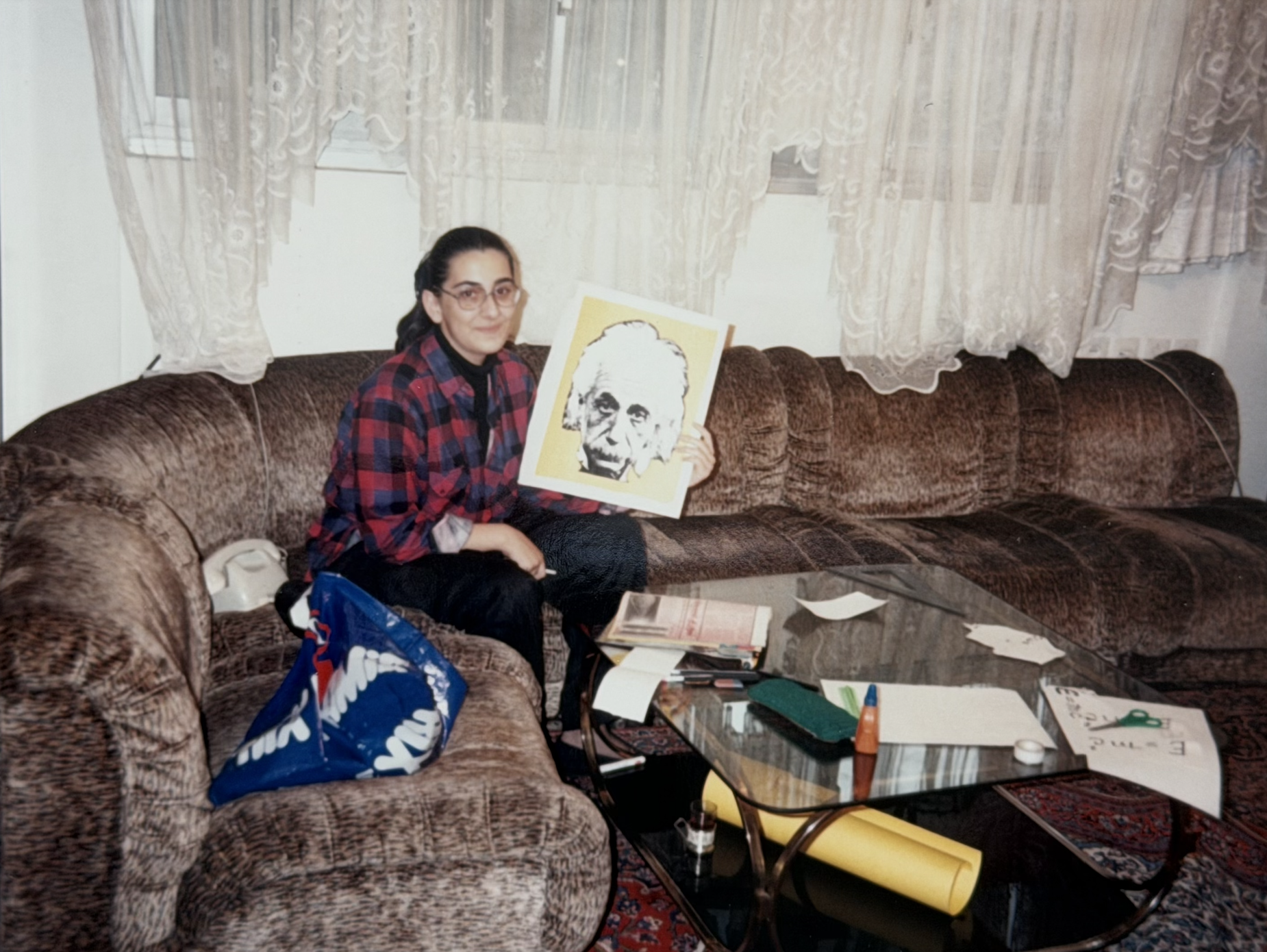
Although we were required to wear a uniform and head covering at school, each girl tried to express her individuality through subtle styling choices. Sometimes that meant being questioned by school authorities, but creativity always found its way through small details. My sense of style and appreciation for fashion came largely from my beloved aunt, who had an immense sense of fashion and was skilled at transforming simple clothing into something unique and beautiful.
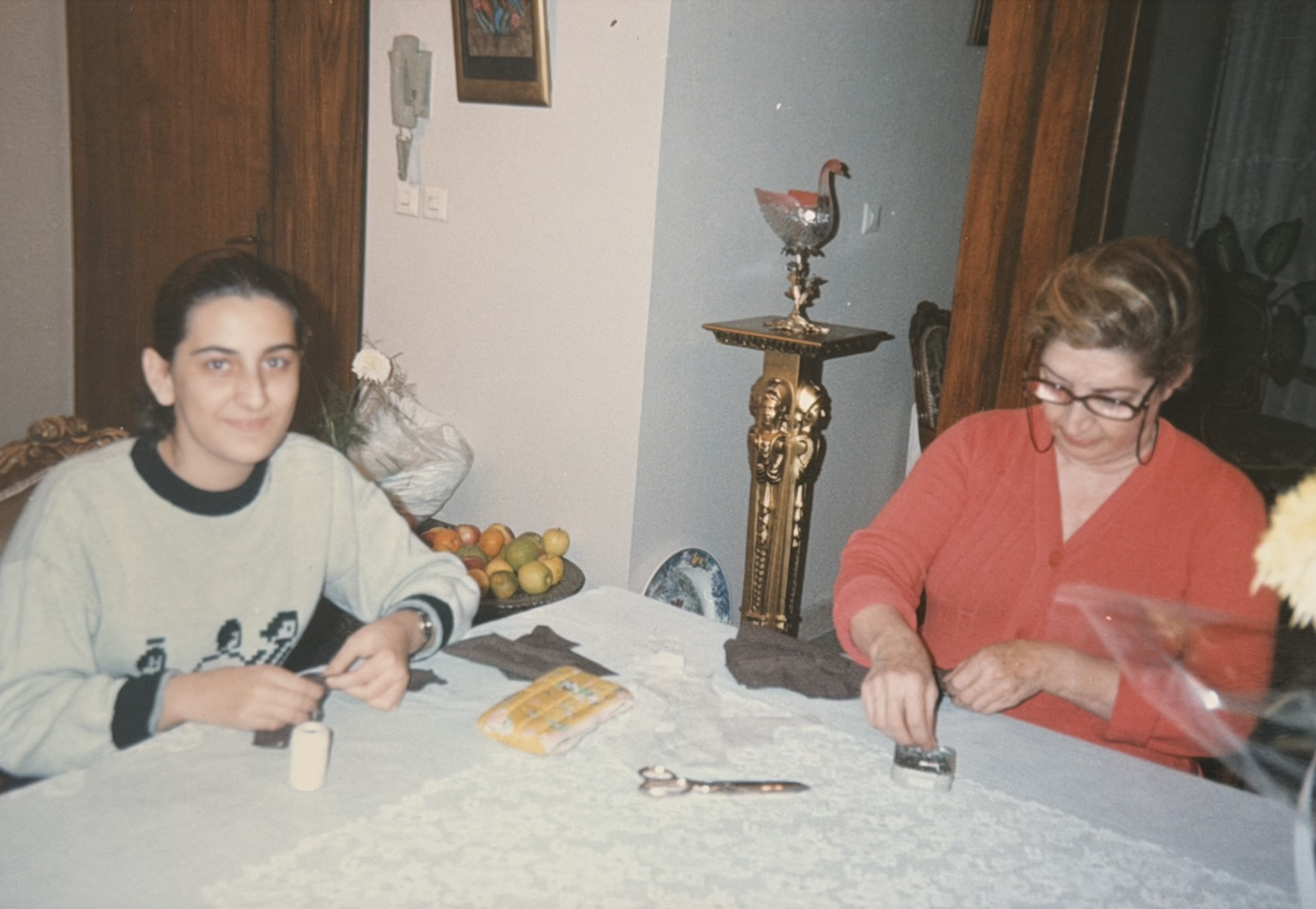
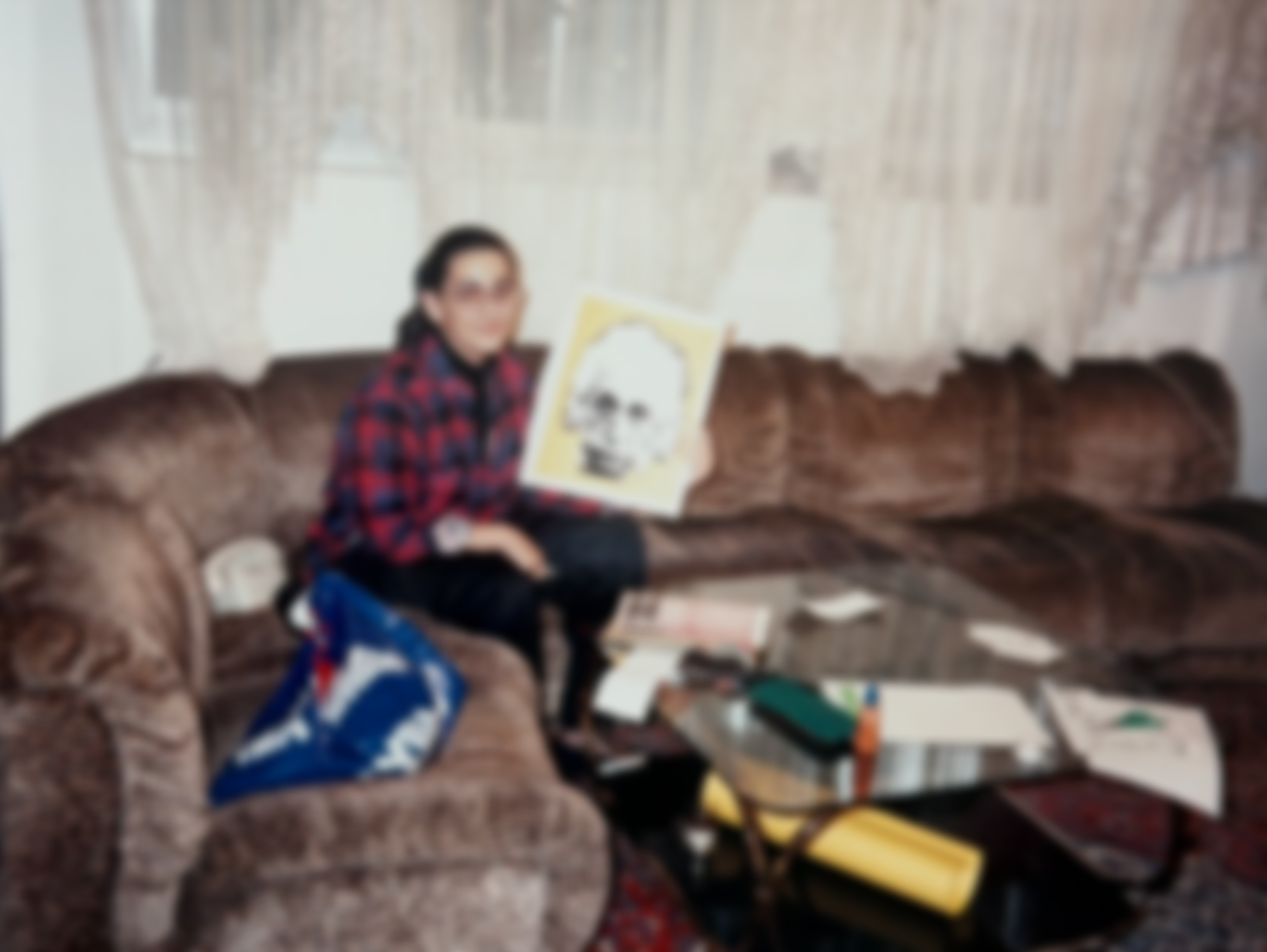
Negar and her aunt (my grandmother) sewing in the early 90s
Despite restrictions on women’s sports, I was active in both swimming and gymnastics. Physical movement felt like freedom. However, I was unable to continue gymnastics after the age of fourteen. At that time, girls were not permitted to train with male coaches, and in certain advanced techniques, the physical strength and support of a coach were essential to ensure safety and prevent injury. Without access to proper coaching, continuing at a higher level became impossible.
Music was always playing in the background of my life. I grew up listening to the hits of the 70s, 80s, and 90s—Iranian classics, international pop, rock, anything with rhythm. Those songs became the soundtrack of my childhood and teenage years. Even now, when I hear certain tracks, I instantly smile. And I have always loved dancing. Whether at family gatherings, celebrations, or just at home, music meant movement. Dancing was pure joy—no rules, no pressure, just energy and laughter.
Eight years of my childhood were shaped by war. I still remember sitting in a restaurant with my family and seeing Iraqi fighter planes overhead. I remember watching bomb explosions from the window of my school classroom, and the shock on the faces of eight- and nine-year-old children trying to understand what was happening. Those images stay with you.
High school was intense for everyone. Academic pressure was immense, especially with the
nationwide university entrance exam. In Iranian families, going to university was, and still is, considered a natural and expected path.
Through every period—revolution, war, pressure, uncertainty—Iranian traditions remained an inseparable part of life.
Yalda Night, the longest night of the year, when families gather, read poetry, and share pomegranates and watermelon; or Chaharshanbe Suri, the fire festival that children and adults love equally, especially because it meant Nowruz was just around the corner. And then the pinnacle of all festivities: Nowruz, the Persian New Year, when an entire country comes alive. Homes are cleaned, new clothes are bought, tables are beautifully prepared, and cities are filled with anticipation and renewal at the same time as the spring solstice.
No matter the circumstances, culture endured. It shaped us, protected us, and connected us.
After completing my education and working for several years, I always imagined that I would live and grow old in Iran. Despite everything, it was home. My memories, my language, my roots—everything was there. I never imagined building a life anywhere else. But over time, the pressures became heavier. The limitations, the uncertainty, and the sense of restriction slowly made staying more difficult. Like many others of my generation, I eventually made the painful decision to leave.
You leave behind family gatherings, friends, familiar streets, childhood memories, and the comfort of belonging without explanation. Starting again in a new country requires courage, humility, and resilience.
Yet wherever I live, Iran has never left me. It lives in the way I speak, in the food I cook, in the poetry I remember, in the way I celebrate Nowruz, and in the values I pass on to my child. Distance changes geography, but it does not erase identity.
Being Iranian, for me, has always meant living between resilience and beauty, carrying history, tradition, and hope at the same time.


Modèle
March 2026
Creator & Editor
Daria Afshar
Creative Assistant
Donavan McClintick
Contributers
Photographers
Jayden Gadd
Hair Styling
Jayden Gadd
Videographer
Donavan McClintick
Writers
Negar Azimpour
Sources
International Day of Nowruz — United Nations
Iranians Celebrate Chaharshanbe Suri — Orient Trips
New Food of Life — Najmieh Bagmanglij
How 8 Women Assemble Their Haft-Sin Tables — Vogue