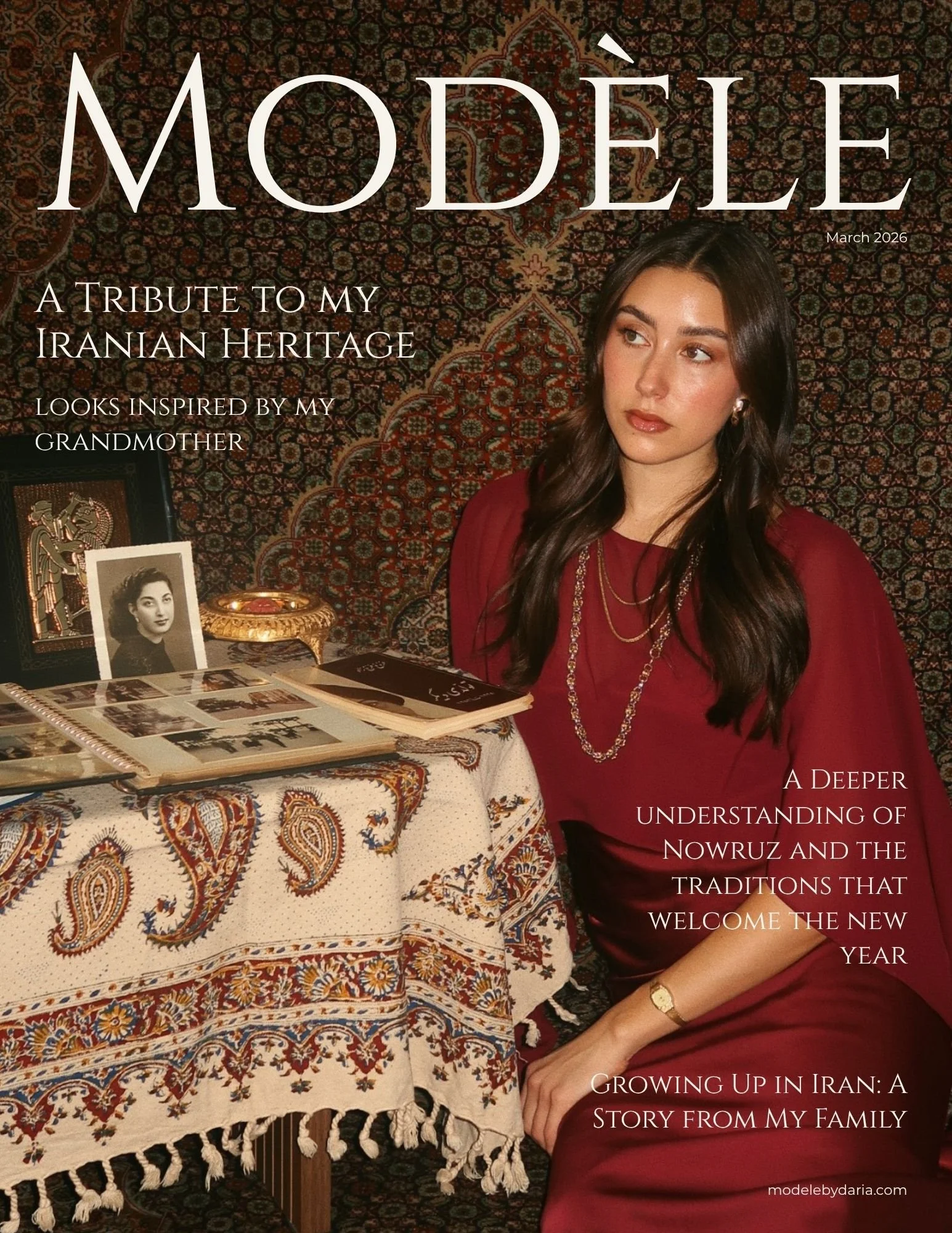
Modèle
March 2026
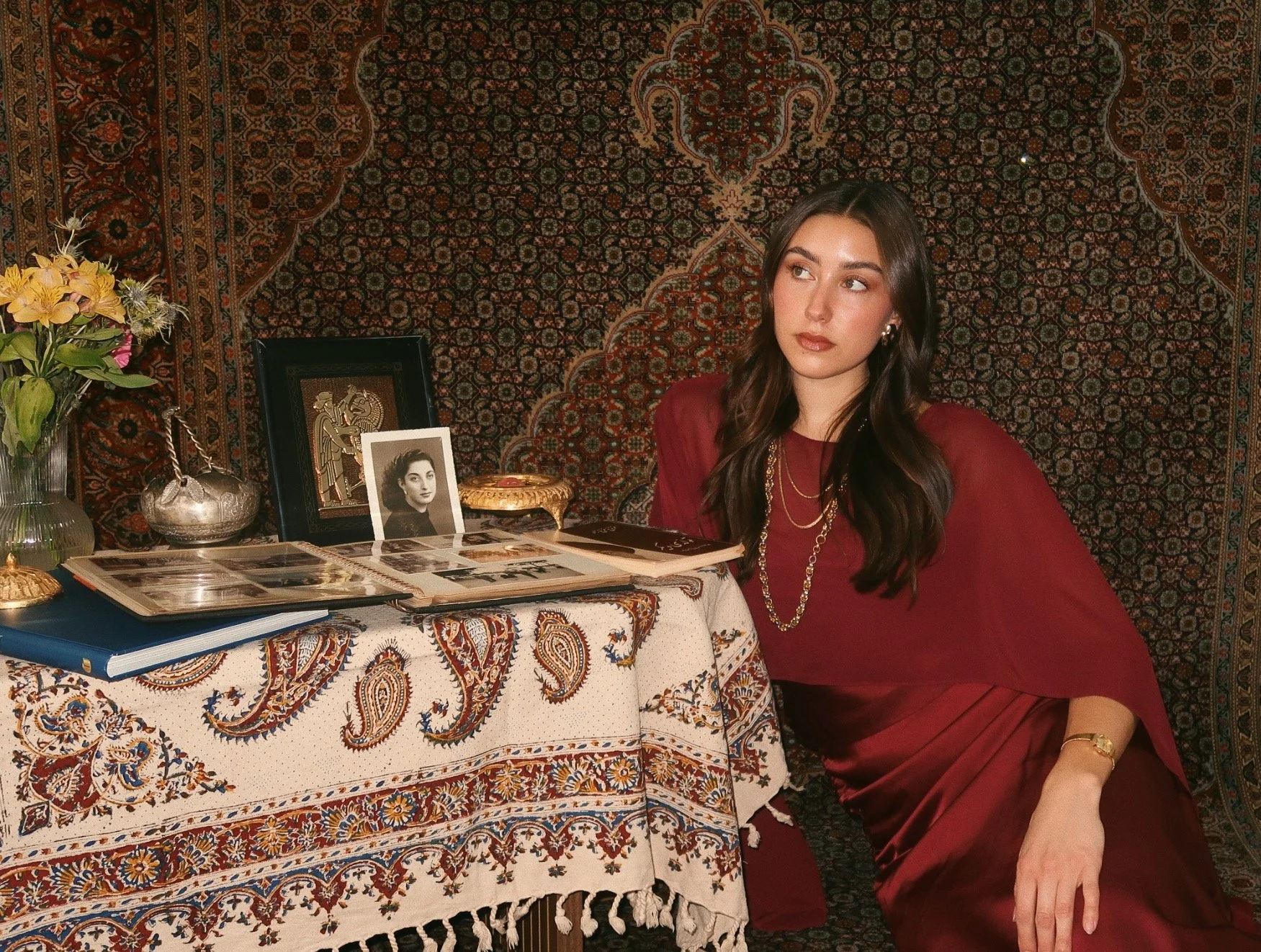
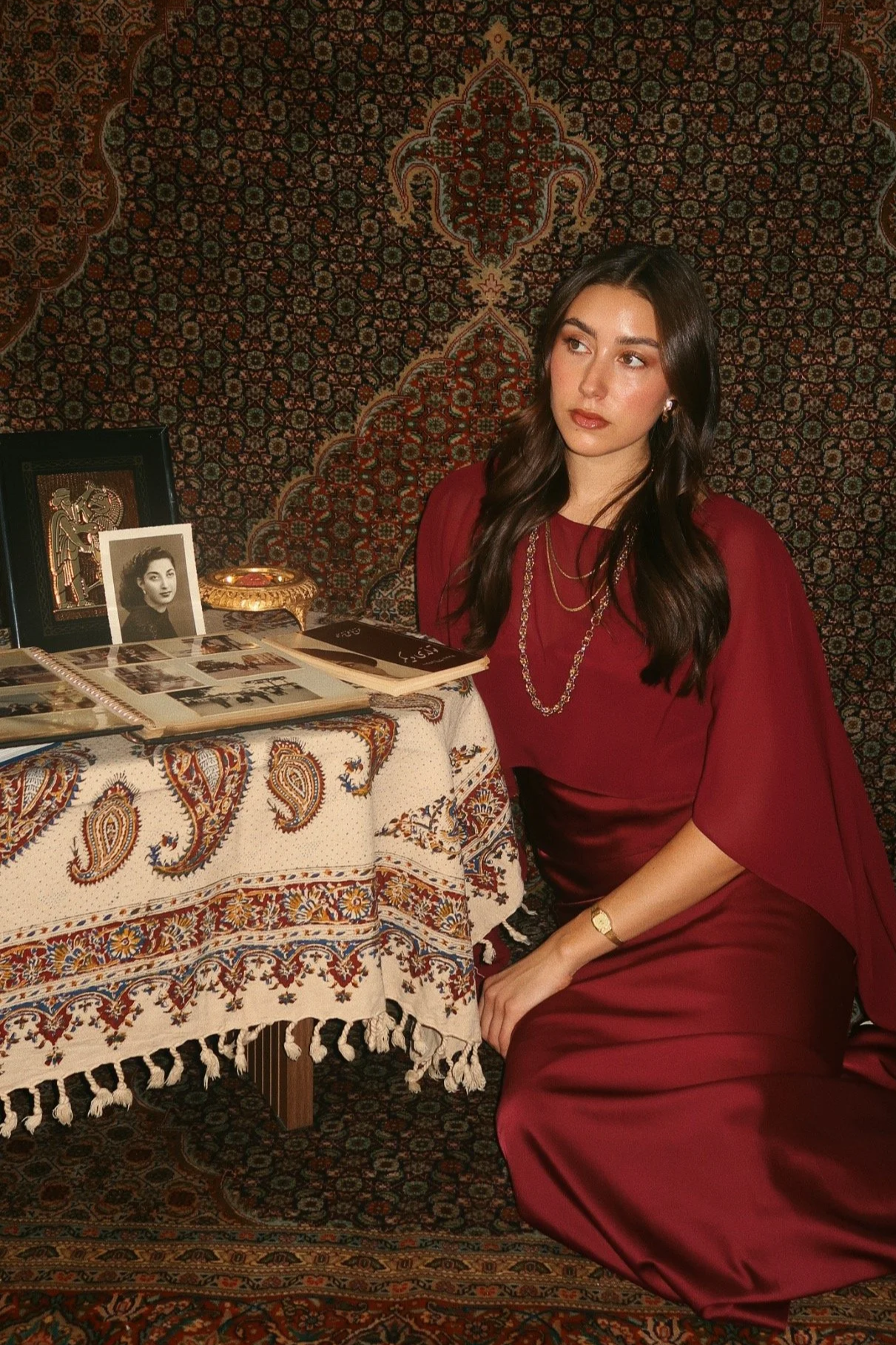
A Tribute to my Iranian Heritage
Being Iranian is, and has always been, the proudest medal I’ve ever worn. Even as a little girl, I would beam with pride and say “I’m Peeerrsian” – mostly to get a rise out of my Russian mother like the zebel (mischievous) girl that I was. Even when my parents would read me bedtime stories, I would sit and listen to Iranian ones for hours, but cried the second my mom tried to read me one in Russian. Although I was born and raised in America by parents from two completely different (yet equally beautiful) cultural backgrounds, my dad did an amazing job teaching his kids about the music, food, people, and values of his homeland. I still remember him singing me Persian lullabies before bed, showing my brother and me songs of his childhood on the drive to school, calling his family in Iran every Sunday morning so we could talk to them, teaching us to Persian dance with his amazing dance moves, taking us to the same Persian restaurant every time we visit Chicago, celebrating Nowruz (Persian New Year), and making sure we were connected with others in the community. Although his entire family remains in Iran, he did everything he could to keep his culture alive in our household. While now I feel more guilty about the neglect I gave to my Russian heritage as a little girl, I learned at a young age that Persians deeply honor their culture, and I think this pride was not only taught, but I was born with it running through my veins.
If there is one way to describe the Persian people, it’s that they are innately good. As a community, they hold themselves to a high standard of morals, which have always acted as a guidepost in my life. I grew up calling my dad’s friends “Amoo” (which means “uncle” in Farsi), because whether it was my dad’s best friend from childhood or an acquaintance he was meeting for the first time, everyone was considered family. They are selfless, kindhearted, compassionate, hospitable, and quite literally will give you the shirt off your back if it means giving you a better life.
My grandmother is a great example of this: she was a strong, single mother who spent her whole life supporting my dad and his brother. Even after my dad immigrated to the U.S. during the Iranian Revolution in 1979, she would send her hard-earned money to ensure he wasn’t struggling to pay for his bills and his focus remained on building a better life for himself. My dad mirrored the same selflessness in my upbringing. He has always made sure his children’s needs are met, and I recognize what a privilege it is to say that he never let us struggle. They value education above all else, and I was only ever allowed to have a part-time job in high school or college if it didn’t interfere with my schooling. To Iranians, children fending for themselves the second they turn 18 is completely unheard of, and I plan to do everything I can to honor those same values and support with my own kids one day.
The biggest void I feel in my Iranian upbringing is that I’ve never had the chance to visit the country I grew up feeling so connected to in my heart. It’s such a strange feeling, to feel homesick over a place you’ve never even been to. My family went in 2001 when my mom was pregnant with me, but since then the situation with the regime and my dad’s concern for my brother’s and my safety has always stopped us from returning. Regardless, I’ve always had this knowing that I would make it there one day, however, today that knowing feels more out of reach than ever.
My heart aches for the innocent people who continue to suffer the consequences of a government’s conflict – people with the same values and morals that I was taught, for my family members who have nowhere to go, and for those losing their lives fighting for their freedom. These people are not their government. They are just like you; they enjoy music and dancing, laughing with friends and family, they have big dreams, and are some of the most loyal, kindhearted human beings you’ll ever meet – the only difference being that they were born in a different part of the world.
More than ever, I pray for the freedom of the Iranian people; freedom that was stripped away from them 47 years ago. I pray that I get to one day visit the same Iran that my dad grew up telling me about, and to finally embrace the family I’ve only ever met on a screen. I pray for their women to gain the same rights I do, to stop hiding underneath the coverings that are forced upon them, to be able to express themselves and love freely. But they deserve to earn that freedom with dignity, not through bombing and destruction of the land and the people. I will, and have always carried my Iranian heritage proudly. It is my birthright, given to me by my father and his ancestors, and I will spend my life continuing to live by the same morals and values that shaped the woman I am today.
In honor of Nowruz (Persian New Year) on March 20th, and the beautiful celebration around spring and renewal, I thought this would be the perfect opportunity to dedicate an issue to my heritage and my father’s homeland.
During the ideation stage of putting this together, I knew I wanted to honor Iranian fashion in some way, but I wasn’t quite sure which direction to take. And then it hit me – what better way to show Iranian fashion than from the woman who inspired the name Modèle in the first place. So instead of digging for research online and finding fashion inspiration from random models, I went straight to the source: my dad’s photo albums.
In light of recent protests in Iran and the people continuing to fight for a government change, I wanted to also use this issue as an opportunity to shed more light on what life in Iran is actually like under this regime – not from news broadcasting channels, Instagram Reels, TikTok, or any other media source, but from someone who lived and experienced it firsthand. My cousin, Negar, has written a beautifully raw and humbling reflection on what growing up in Iran was like, and I’m immensely grateful to her for taking the time to share her story with you. I hope you cherish her words as well, and enjoy learning more about a culture that is so deeply rooted in family, education, traditions, resilience, and love.

the issue at a glance:
The Original Modèle
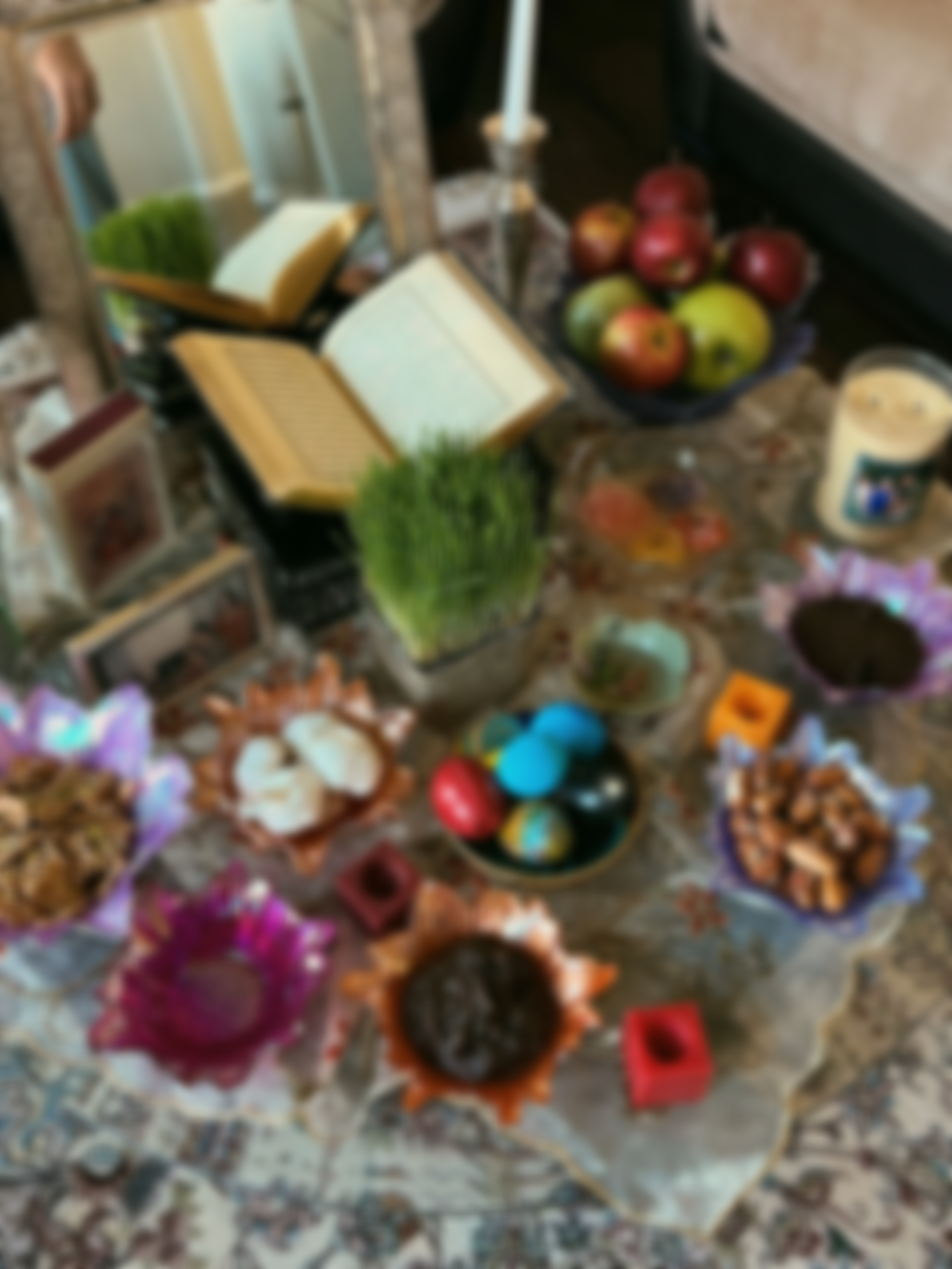
Nowruz: A Celebration of Spring and New Beginnings
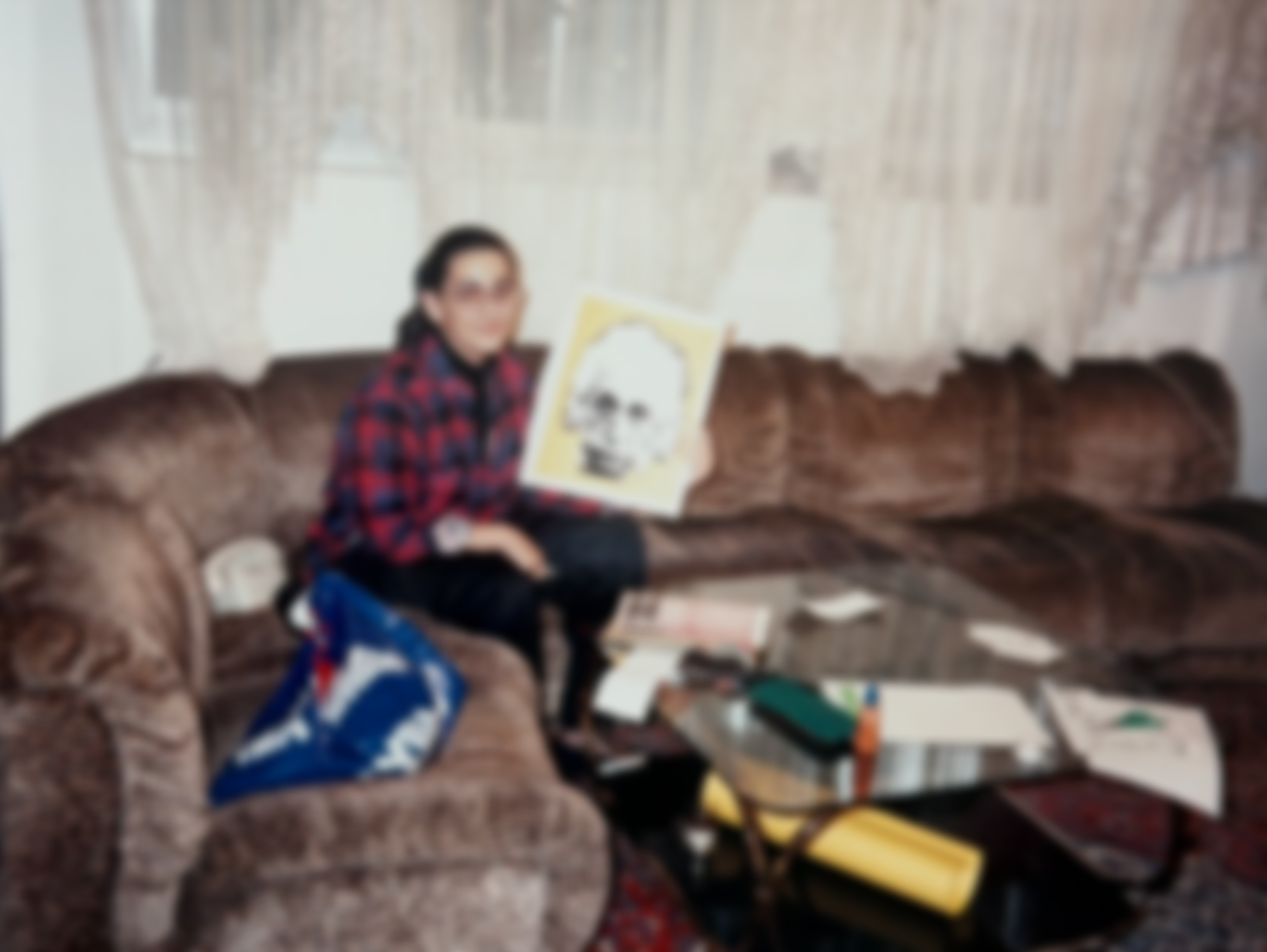
Living Between Resilience and Beauty: A Reflection on Growing up in Iran
continue reading